Loading...
Serving Springfield, IL and surrounding areas. (217) 572-9991
Most Springfield homes built before 1980 have wall cavities that are empty or filled with material that has settled and stopped working. We fix that without tearing your walls open.
Wall insulation in Springfield fills the cavities inside your exterior walls to slow heat moving in and out of your home - most jobs on finished walls use the drill-and-fill blown-in method and are completed in a single day without opening your walls.
Springfield winters regularly drop below 10 degrees and summers push past 90 with heavy humidity. If your walls are empty or filled with material that has settled over decades, your heating and cooling system is working harder than it needs to every single month. Many homes in Springfield were built before modern insulation standards existed, and their walls were never filled at all.
Wall insulation works best when air leaks are addressed at the same time. If your home has comfort problems beyond the walls, our air sealing services page covers how those two upgrades work together for the biggest year-round impact.
If your gas bill spikes sharply each winter and your electric bill climbs every summer, your walls may be letting conditioned air escape. Springfield's climate puts real pressure on homes in both directions, and under-insulated walls are one of the most common reasons heating and cooling systems run overtime. If your bills feel out of proportion to the size of your home, it is worth having someone check.
Stand near an exterior wall on a cold January day in Springfield. If the wall feels noticeably cold to the touch, or if you feel a draft near outlets or switch plates on that wall, warm air is escaping and cold air is getting in. This is especially common in homes built before the 1980s, where wall cavities were often left empty or filled with materials that have since settled.
If one room is always colder in winter or stuffier in summer no matter how you adjust the thermostat, the walls in that room may have less insulation than the rest of the house. This is a common pattern in older Springfield homes where additions were built at different times, or where one exterior wall faces north and was never properly insulated.
If your home is in one of Springfield's older neighborhoods and you have never had an insulation check, there is a reasonable chance your walls are either empty or filled with material that has degraded. Insulation standards before the 1980s were very different from what is required today. A quick assessment confirms exactly where you stand before any money is spent.
For most Springfield homeowners with finished walls, blown-in insulation using the drill-and-fill method is the right approach. A crew drills small holes in your exterior walls, fills each cavity through a hose connected to a machine in their truck, then patches and paints the holes before leaving. The work is completed in a single day, you do not need to leave your home, and the exterior looks the same when they are done. For homeowners considering related energy improvements, our air sealing services are often done at the same time to close gaps that blown-in material cannot reach.
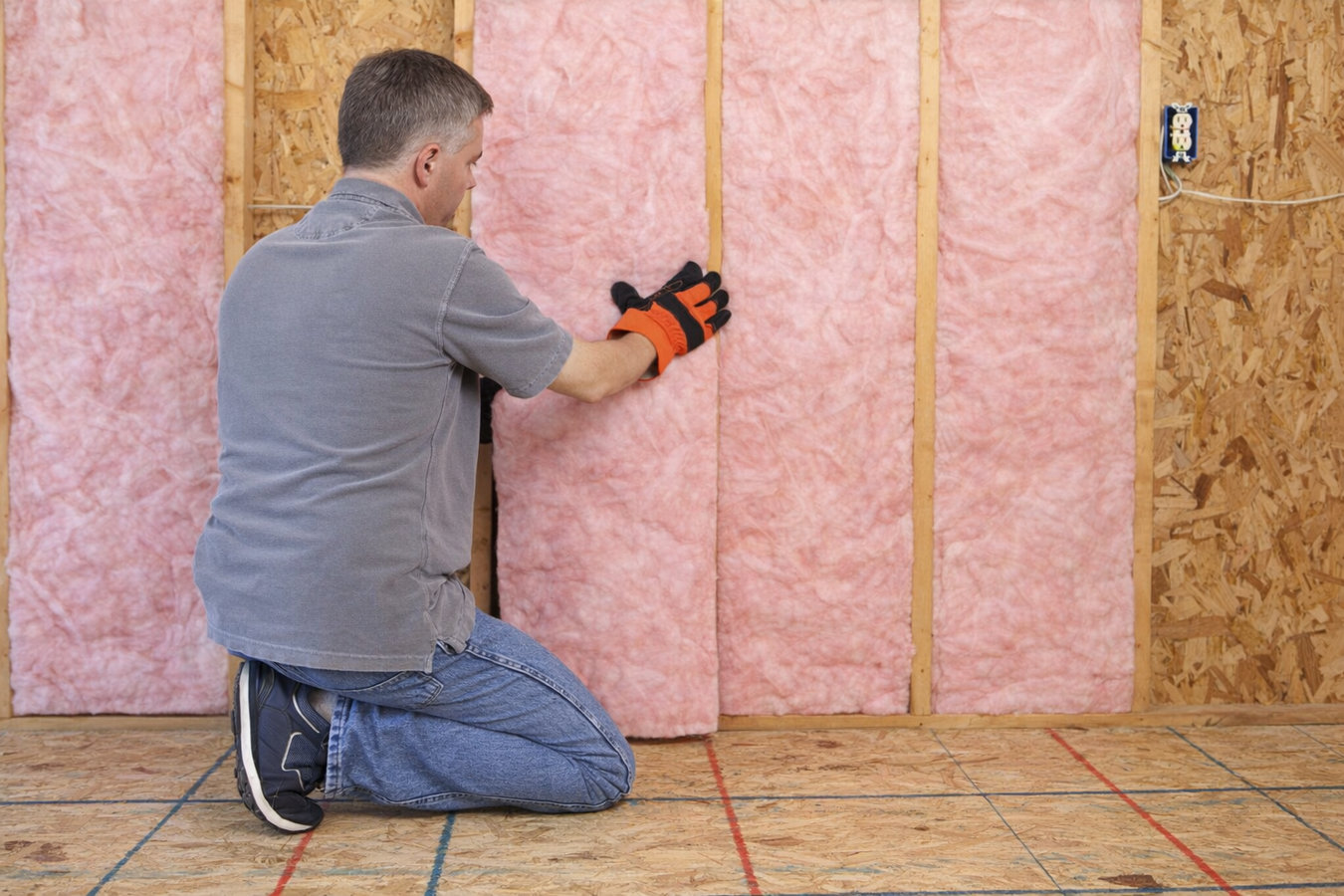
For homes undergoing renovation where the walls are already open, batt insulation fitted between studs is a straightforward and cost-effective choice. Mineral wool batts are a good option for older Springfield homes because they resist moisture and do not settle the way fiberglass can over time. If your renovation also involves the attic or crawl space, combining wall batts with blown-in insulation in the attic floor is a common and efficient pairing.
A free on-site assessment is the starting point for every job. We check what is in your walls now, explain your options, and give you a written estimate before any work begins. There is no obligation to proceed.
Best for finished walls in existing homes where you want results without opening walls.
Best for renovation projects where wall cavities are already accessible.
Best for homes where settling has been a problem with previous loose-fill installations.
Best for older Springfield homes where both empty cavities and air leaks need to be addressed together.
Springfield sits in central Illinois where January lows regularly drop into the single digits and July humidity can make 90-degree days feel unbearable. That combination means your walls are working hard in both directions all year. A large share of Springfield's neighborhoods, including areas like Enos Park, Aristocrat Acres, and older streets near downtown, feature homes built in the 1940s through 1970s. Many of those homes were constructed with little or no wall insulation, or with materials that have settled and lost effectiveness over the decades.
Springfield's freeze-thaw cycle also stresses older wall assemblies. Central Illinois experiences many cycles each winter where temperatures swing above and below freezing from November through March. Over years, this movement opens small gaps in exterior walls, around window frames, and at the sill plate. Those gaps let cold air in and warm air out and are often invisible from inside the house. A thorough contractor checks for those gaps as part of the job, not just fills cavities. Homeowners across Springfield, Lincoln, and Decatur all face similar housing-age and climate conditions.
Ameren Illinois, which serves most of Springfield, offers rebates for homeowners who add insulation as part of an energy efficiency upgrade. The Ameren Illinois Energy Efficiency Program can meaningfully reduce your out-of-pocket cost. Ask us whether your project qualifies when you call for an estimate. Every wall insulation job starts with a free on-site assessment and a written estimate, and we document the finished work so you have a clear record of what was done.
When you reach out, we ask a few basic questions: the age of your home, any comfort or bill issues you have noticed, and whether your walls are finished or open. You do not need all the answers; just describe what you have observed. We respond within one business day.
We come to your home to look at the walls, check construction details, and use a probe or thermal camera to find out what is inside your wall cavities right now. The visit typically takes 30 to 60 minutes and there is no charge. This is where you get straight answers about what you actually have.
After the assessment you receive a written quote spelling out the work, the materials, and the total cost. We will also note any Ameren Illinois rebates your project may qualify for. There is no obligation to proceed, and no pressure to decide on the spot.
On the work day, the crew drills, fills, patches, and paints. Most Springfield homes are done in a single day. Before leaving, they walk the job with you, confirm every cavity was filled, and clean up. If you are claiming a utility rebate, they provide the documentation you need.
No obligation, no sales pitch. We assess your walls, tell you what we find, and give you a written quote - including any Ameren rebates you may qualify for.
(217) 572-9991We use a thermal probe after installation to confirm that every wall cavity is fully filled, not just the easy-to-reach ones. Gaps around electrical boxes and corners are where most rushed crews leave cold spots, and we do not leave until those are closed.
Springfield's housing stock is primarily pre-1980 construction with irregular framing, brick exteriors, and decades of settled or missing insulation. We work in these homes every week and know exactly what to look for before quoting a job.
We are familiar with the current Ameren Illinois rebate structure for insulation upgrades, which helps Springfield homeowners reduce their out-of-pocket cost. We walk you through the paperwork so you do not have to figure it out on your own.
We schedule assessments quickly and deliver written quotes before any work begins. Most Springfield homeowners receive an estimate within a few days of their first call. You know the full cost before you commit to anything.
The Building Performance Institute sets the professional standard for insulation and air sealing work, and we follow those guidelines on every job. If you want a contractor who will show you the work, not just tell you it is done, call us and we will walk you through exactly how the process works for your home.
Close hidden gaps around pipes, wires, and framing so insulated walls can hold their temperature.
Learn moreLoose-fill blown-in coverage for attics and open cavities throughout your home.
Learn moreSpringfield winters do not wait. Lock in your installation date before the cold sets in and the schedule fills up - call now or submit a request online.