Loading...
Serving Springfield, IL and surrounding areas. (217) 572-9991
Under-insulated Springfield homes overpay for heat in January and air conditioning in July. We cover attics, walls, and crawl spaces so every room stays comfortable year-round.
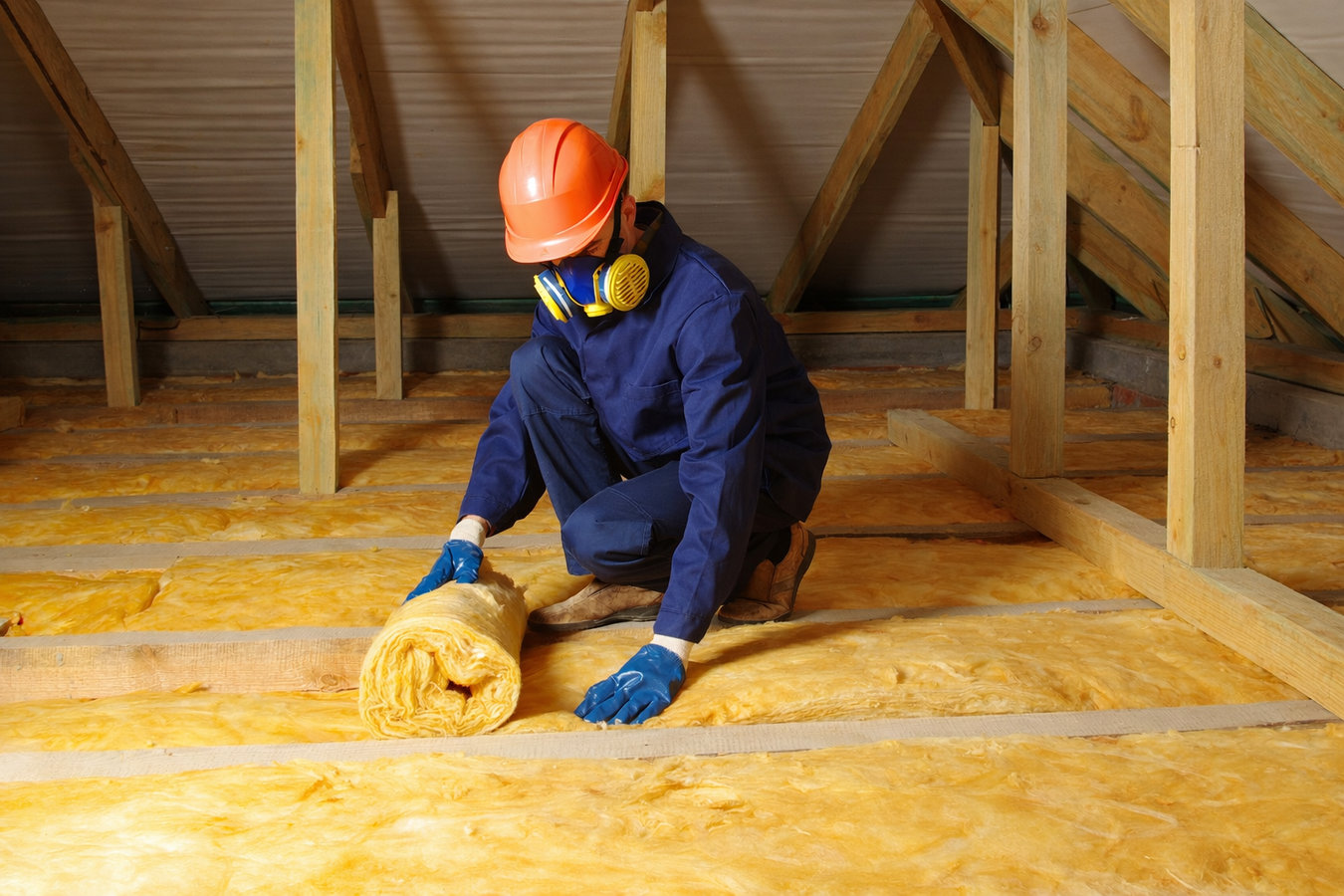
Home insulation in Springfield addresses the attic, walls, crawl spaces, and basement so your entire thermal envelope holds heat in winter and keeps it out in summer - most attic jobs are done in a single day without disrupting your household.
Springfield sits in a climate zone where the Department of Energy recommends higher insulation levels than most of the country. A large share of the city's homes were built before 1980, often with little or no wall insulation and minimal attic coverage by today's standards. If your home is in that category, the gap between what you have and what you need directly shows up on your energy bills. Pairing a full insulation upgrade with insulation removal of old, degraded material is often the most complete approach for homes from that era.
Adding insulation without sealing air gaps first limits the benefit. We seal around light fixtures, pipes, and wiring penetrations before any insulation goes in, because those gaps are where conditioned air escapes fastest. The ENERGY STAR seal and insulate program explains why this sequence matters for performance.
Springfield winters are genuinely cold, and if your energy bills climb sharply during the coldest months compared to neighbors in similar homes, heat is escaping somewhere it should not. Under-insulated attics are the most common cause, because heat rises and exits through the top of the house first.
If a bedroom is freezing in winter or a corner never cools down in July, uneven or missing insulation is the usual cause. In Springfield's older neighborhoods, additions and renovated rooms were often never insulated when the work was originally done.
Hold your hand near an electrical outlet on an exterior wall on a cold day. If you feel cold air, there are gaps in your wall insulation or air sealing. Drafts around attic hatches are especially common in older Springfield homes and are among the simplest things to fix.
If you bought an older Springfield home and have no record of insulation upgrades, there is a reasonable chance the attic has less than half the coverage recommended for this climate zone. Homes from that era were built to standards that are a fraction of what is expected today.
We handle insulation throughout the entire home, not just the attic. For most Springfield houses, that means blown-in or batt insulation in the attic, retrofit coverage in the walls, and closed-cell or rigid board insulation in the crawl space or basement. Each area plays a different role in your home's overall performance, and addressing only one while leaving the others uninsulated limits the results you see on your energy bill.
For homes that have old, settled, or damaged insulation, we often recommend insulation removal before new material goes in. Layering over degraded material does not restore full performance. After the existing material is cleared, we install the correct type and depth for your attic dimensions and climate requirements. For homeowners planning a longer-term upgrade, we also offer retrofit insulation designed specifically for existing homes that are being improved without a full renovation.
Spray foam, blown-in, and batt each perform differently depending on where they are installed. We recommend the right type for each location in your home and explain the tradeoffs before any work is scheduled.
Best starting point for most Springfield homes; delivers the fastest comfort and cost improvement.
Best for pre-1980 homes with no wall coverage, using retrofit techniques that avoid major drywall work.
Best for ranch homes and older properties with dirt crawl spaces or unfinished basements.
Best for homeowners who want to address every area in one coordinated project to maximize rebate eligibility.
Springfield's climate sits in a demanding zone where temperatures swing from below 10 degrees in January to over 90 degrees in July. The flat, open terrain around the city means wind and temperature changes hit homes directly with little natural protection. Homes in established neighborhoods like Iles Park, Aristocrat Acres, and the Laurel/Ridgely corridor were built at a time when insulation was thin by modern standards, and many have never been meaningfully upgraded. The result is a large share of the city's housing stock that is quietly overpaying for energy every month.
Springfield also has a mix of ranch homes from the 1950s through 1970s with slab or crawl space foundations, and brick homes in older neighborhoods that require different access and installation techniques. Clay soil under much of the city absorbs and releases moisture through the seasons, which makes vapor management in crawl spaces and basements an important part of any insulation job here. Homeowners in Jacksonville and Lincoln deal with similar housing stock and climate conditions, and we serve those communities as well.
Ameren Illinois serves most of Springfield and offers energy efficiency rebates for qualifying insulation work. Combined with the federal tax credit currently available under the Inflation Reduction Act, the real out-of-pocket cost of a home insulation project is often lower than the estimate number. We identify applicable programs for every job and provide the documentation you need to claim them. Homeowners in Decatur can access the same utility rebate programs.
We respond within 1 business day. The first conversation covers your home's age, approximate square footage, and what is prompting the call. You do not need to prepare anything before this conversation.
We walk through your home, checking the attic, any crawl spaces, and the basement to see what is already there and what is missing. We measure the space so the estimate is accurate, not a ballpark figure.
You receive a written estimate spelling out what work will be done, what materials will be used, and the total cost. We also flag any rebates or tax credits that apply. You are not obligated to decide on the spot.
Most attic jobs are completed in a single day. You can be home throughout. Before leaving, the crew cleans the work area and walks you through what was installed, including documentation for any rebate or credit claim.
There is no obligation after the estimate. We respond to all inquiries within 1 business day and can usually schedule an assessment within a few days of your first call.
(217) 572-9991Most contractors focus only on the attic because it is the easiest access. We assess walls, crawl spaces, and basements in the same visit and can coordinate all areas in a single project, reducing disruption and improving overall results.
We serve Springfield, Decatur, Bloomington, Champaign, and 8 other central Illinois cities. That regional reach means we understand the housing stock and climate conditions across the area, not just within city limits.
Ameren Illinois rebates and the federal Inflation Reduction Act tax credit require specific documentation. We provide what you need to claim both programs on every qualifying job, so the money is not left on the table.
Homes built before the 1970s in Springfield's established neighborhoods sometimes have knob-and-tube wiring, moisture intrusion, or other issues that affect the job. We tell you what we find before work begins, in plain language, and give you options.
Springfield's mix of pre-war brick homes, mid-century ranch houses, and newer subdivisions means every job requires a different approach. We have worked across all of them and bring that local experience to every estimate. The North American Insulation Manufacturers Association provides additional resources on insulation types and expected performance for homeowners who want to go deeper before calling.
Clear old, degraded, or contaminated insulation before new material is installed for full performance.
Learn moreAdd insulation to finished walls and existing spaces without a complete gut renovation.
Learn moreSchedule a free whole-home insulation assessment now and stop paying for heat and air conditioning that is escaping through under-insulated walls and attic.