Loading...
Serving Springfield, IL and surrounding areas. (217) 572-9991
Springfield's 100-degree temperature swing between winter and summer demands more than fiberglass batts. Closed-cell foam seals the gaps that cost you the most on your energy bill.
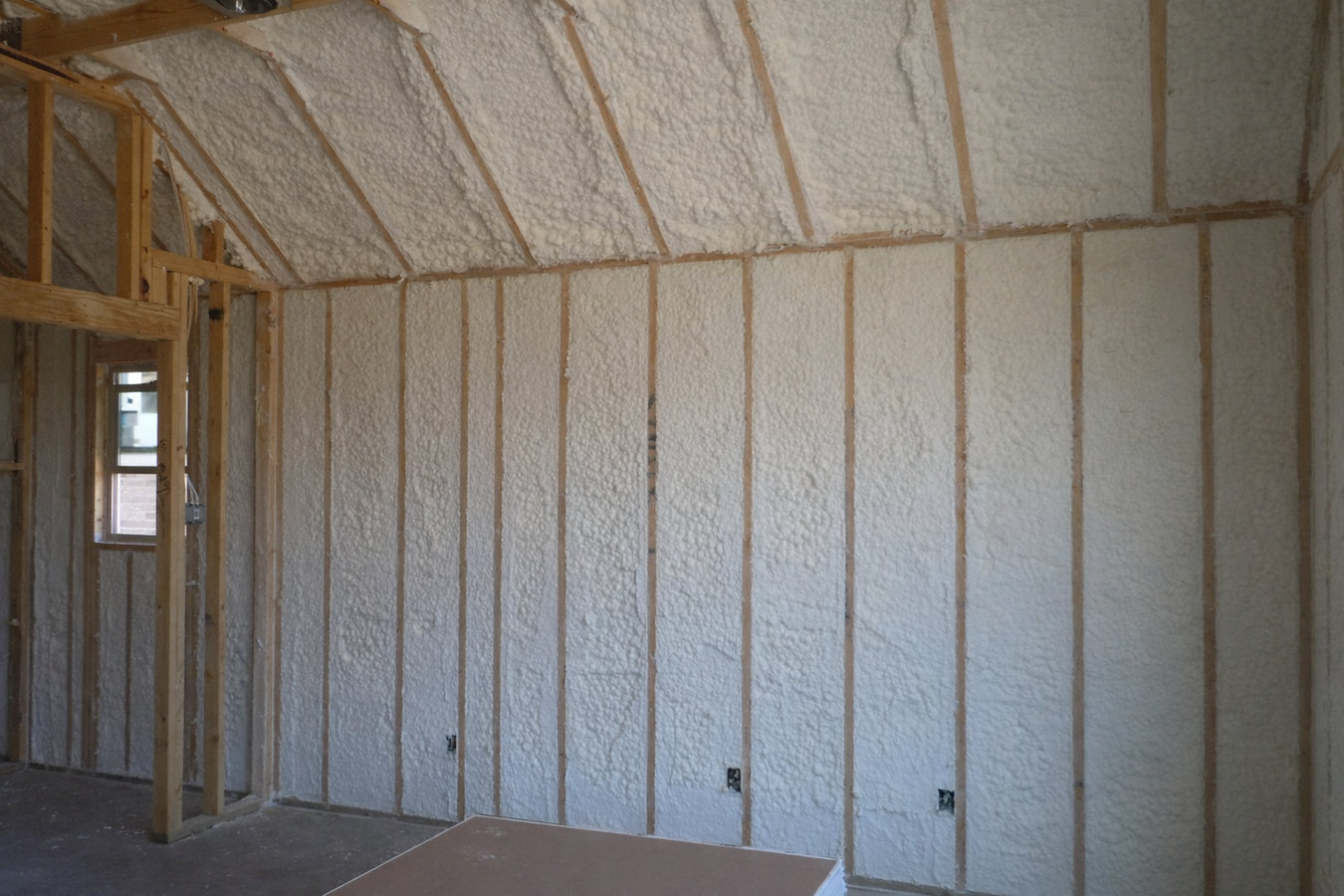
Closed-cell foam insulation in Springfield is sprayed as a liquid into crawl spaces, rim joists, attic decks, and basement walls, where it expands into a firm, dense barrier that seals air leaks and resists moisture in the same application - most single-area jobs are completed in one to two days. The foam delivers a higher insulating value per inch than fiberglass batts, which matters when you are working in tight spaces where every inch of thickness counts.
What sets closed-cell foam apart from older insulation types is the air seal. Traditional insulation slows the movement of heat but still allows air to move through freely. Closed-cell foam stops both, which is why homes that have been upgraded with it feel noticeably different in January and July. For Springfield homeowners dealing with cold first floors in winter or musty crawl spaces year-round, this is often the most direct fix available.
For homeowners comparing foam types, our spray foam insulation page covers both open-cell and closed-cell options side by side, and our open-cell foam insulation page explains where the lighter, less dense material is a better fit.
If your Ameren Illinois bill climbs dramatically from November to February even though your habits have not changed, your home is likely losing heat through gaps your current insulation is not sealing. This is especially common in older Springfield homes where insulation in the attic or crawl space has settled or was never adequate to begin with. A home that holds heat well should not see dramatic bill swings month to month.
In homes with crawl spaces, which are common throughout Springfield's older neighborhoods, cold air seeps up through the floor from below, making the first floor feel drafty even with the heat running. If your kitchen or living room floors feel cold underfoot in January, the crawl space below is likely the source. This is one of the clearest signs that the space under your floor needs to be sealed.
Persistent moisture in a basement or crawl space means outside air and humidity are getting in through gaps. In Springfield's humid summers, warm moist air enters and condenses on cooler surfaces, which can eventually lead to mold. A musty smell when you open the basement door or water droplets on pipes and walls means your home's envelope has gaps that foam can address directly.
Homes built in Springfield before modern energy codes were adopted often have little or no insulation in rim joists, crawl space walls, and knee walls. If you bought an older home and have no record of insulation upgrades, there is a good chance these areas are under-insulated or bare. A quick look in your crawl space or attic will often reveal fiberglass batts that have fallen down, gotten wet, or simply are not there.
Closed-cell foam is most valuable where you need maximum insulating power in a limited space and where moisture resistance matters as much as thermal performance. The most common applications in Springfield homes are crawl space walls, rim joists along the foundation perimeter, attic decks in homes with limited depth, and basement walls where moisture is a concern. In each of these areas, the foam adheres directly to the surface, fills every gap, and creates a continuous seal that loose-fill or batt insulation cannot match.
For homeowners upgrading a full crawl space, we often combine foam on the walls with additional insulation between the floor joists above, depending on what the space needs. Our spray foam insulation service covers whole-home foam applications including attic and wall cavity work. For homes where air sealing is the primary concern but the full cost of closed-cell foam is a stretch, we can discuss where the foam delivers the most return so you are spending your budget where it matters most.
Every job starts with a site visit. We look at the areas being considered, check for moisture or structural issues that need to be handled before foam goes in, and give you a written estimate that covers what will be done and what it will cost. No work is scheduled without a written quote in your hands first.
Seals and insulates crawl space walls while blocking moisture - ideal for Springfield homes with moisture-prone foundations.
Foam applied to the band joist where floor meets foundation, one of the highest-return fixes for cold floors and drafts.
For attics with limited headroom where maximum R-value per inch is needed without sacrificing space.
Foam adhered to foundation walls creates a sealed thermal envelope, especially useful in older Springfield homes with irregular masonry.
Springfield sits in central Illinois where winters regularly drop below 10 degrees Fahrenheit and summers push past 90 degrees. That swing of more than 100 degrees between seasons puts enormous pressure on your home's ability to hold a stable indoor temperature, and it means gaps in your insulation cost you real money on both your heating bill in January and your cooling bill in July. Closed-cell foam's tight air seal addresses both directions in a single application, which is why it is particularly well-suited to this climate. The Spray Polyurethane Foam Alliance publishes homeowner resources on what to expect from a properly installed spray foam job.
Many Springfield homes, particularly in neighborhoods like Iles Park, Aristocrat Acres, and the older blocks near downtown, were built before modern insulation standards existed. Homes built before the 1980s often have little or no insulation in rim joists, crawl spaces, or knee walls, and what insulation does exist may have settled, gotten wet, or worn out. For owners of these older homes, closed-cell foam is often the most practical upgrade because it can be applied in tight or irregular spaces where replacing old batts is difficult or impossible. Springfield also has a high prevalence of homes on crawl space foundations where moisture from the clay soil makes spray foam a better choice than fiberglass.
We serve homeowners throughout Springfield, including neighborhoods close to the capitol and newer subdivisions north toward Sherman. We also work in Bloomington and Champaign, where similar climate conditions and housing stock make closed-cell foam a frequent solution.
We will respond within one business day to ask basic questions and schedule an in-home estimate. You do not need to have any answers prepared - the estimator's job is to figure out what your home needs.
We visit your home, inspect the crawl space, attic, or basement walls being considered, check for moisture or structural issues, and give you a written estimate with the full scope and cost before any commitment is made.
We tell you exactly what needs to move and whether you need to be out of the house. Plan to stay away from the treated area for at least a few hours after spraying while the foam cures and any temporary odor dissipates.
The crew applies the foam, and the material hardens within minutes of application. Before we leave, we walk you through the finished work and provide any warranty or documentation you need, including records for Ameren Illinois rebate applications.
Free on-site estimate. No commitment required. We respond within one business day.
(217) 572-9991Spray foam requires precise mixing ratios and application technique to perform as intended. Our installers have completed training through recognized industry programs and apply foam to specification on every job. Incorrectly applied foam that is too thin or uneven does not deliver the performance you paid for.
We know when the City of Springfield requires a permit for insulation work that is part of a larger project, and we handle the application process when it is needed. You will not face a failed inspection or a request for rework because we skipped a step.
Springfield has hundreds of homes on crawl space foundations with the moisture conditions that make closed-cell foam the right call. We have worked in crawl spaces throughout the city and know what the typical problems look like and how to fix them before foam goes in.
Every closed-cell foam project comes with a written estimate and a clear record of the work performed. You know the scope, the materials, and the schedule before we start, and you have a direct point of contact throughout.
Closed-cell foam is a one-time investment in most homes. Getting it right the first time means you are not repeating the job in five years because it was applied too thin or over a moisture problem that was never addressed. We start every job with a proper assessment so the work holds, the same standard you should expect from any qualified installer of closed cell foam insulation.
A lighter, more flexible foam option suited to interior walls and attics where air sealing is the priority over moisture resistance.
Learn moreWhole-home spray foam applications covering attics, walls, and crawl spaces - open-cell and closed-cell options explained side by side.
Learn moreClosed-cell foam is the highest-performing seal available for crawl spaces and rim joists. Schedule a free estimate today before the next heating season starts.