Loading...
Serving Springfield, IL and surrounding areas. (217) 572-9991
Springfield Insulation Company provides insulation contractor services throughout Champaign, IL, including attic insulation, spray foam, and wall insulation for Champaign County homes. We work on older north-side houses, postwar ranch homes, and newer south-side subdivisions, and we reply to every estimate request within one business day.
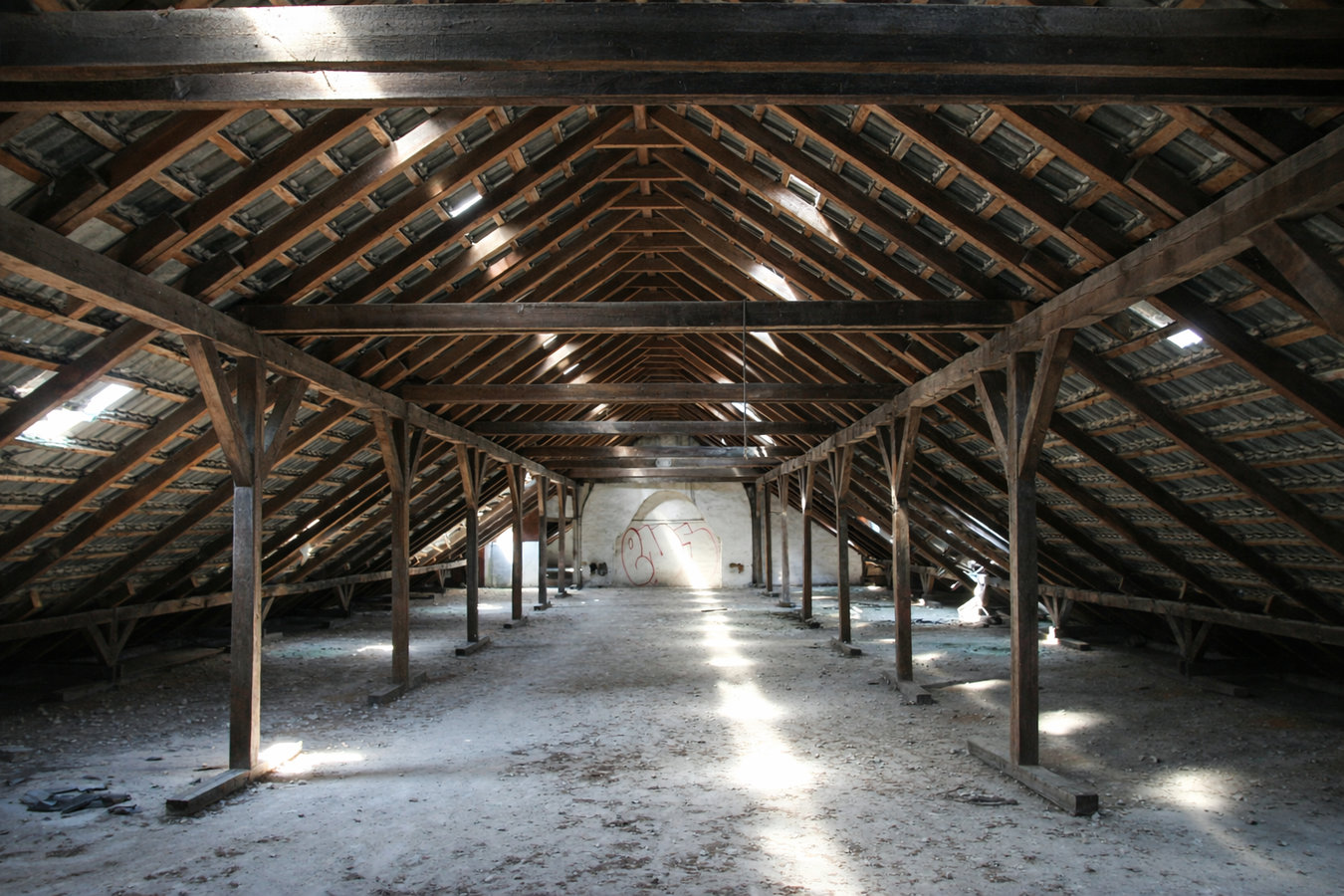
Champaign winters push ground frost to 30 or 40 inches in hard years, and the attic is where most of that heat escapes first. Homes on Champaign's north side - many built before 1950 - often have original insulation that has settled to a fraction of its starting depth. Our attic insulation service brings your attic floor up to the R-49 to R-60 the DOE recommends for central Illinois, using blown-in material that fills around obstructions and reaches corners that batts cannot.
Champaign's heavy clay soil holds water against foundation walls longer after rain than sandier soils do, and that moisture pressure makes spray foam the right choice for crawl spaces and basement rim joists in this market. Closed-cell foam seals and insulates in one step, creating a moisture barrier that blown-in batts cannot replicate in damp conditions. Ranch homes from the 1960s sitting on unencapsulated crawl spaces throughout south and east Champaign are a common application.
Many of Champaign's pre-1960 homes have uninsulated exterior wall cavities behind original wood siding or brick veneer. The drill-and-fill retrofit method injects blown-in insulation through small holes in the interior drywall, then patches the openings so the finished wall looks untouched. This is the most cost-effective way to add R-value to an existing home without opening the walls from the outside.
Single-story ranch homes and bungalows are common throughout Champaign, and many sit on unencapsulated crawl spaces that allow ground moisture to migrate into the floor system above. After Champaign's spring rains, clay soil that drains slowly keeps moisture levels elevated for weeks. We insulate crawl space walls and install a ground vapor barrier to cut off that moisture path before it damages floor joists or sub-flooring.
Homes built before Champaign's energy code updates were constructed without air sealing requirements, and the gaps around plumbing stacks, electrical penetrations, and framing connections are often large enough to feel in winter. Sealing the attic floor and rim joists before adding insulation is what makes the insulation work the way the R-value rating promises. Without it, new insulation still allows air movement that bypasses its thermal performance.
Older homes in Champaign that have been converted to rentals and back to owner-occupied use often accumulate layers of old insulation - some damp, some pest-damaged, some simply too far compacted to be worth keeping. Removing degraded material before adding new insulation is not always necessary, but when the existing layer has been wet or rodents have nested in it, starting clean produces a better long-term result.
Champaign's north side contains some of the city's oldest residential housing, with many homes built between the 1890s and 1940s. Wood-frame construction from that era typically used very little insulation by modern standards, and what was installed has spent decades absorbing moisture, settling, and shifting. Homes that have been rental properties - a large share of Champaign's housing stock given the university population - often have layers of deferred maintenance that include insulation that was never updated during decades of tenant turnover.
The clay soil that blankets Champaign County is one of the defining challenges for insulation work here. Clay expands when wet and contracts when it dries, and that seasonal movement puts pressure on foundation walls and concrete slabs year after year. Water pools against foundations longer than in areas with better drainage, keeping basement and crawl space environments damp through much of spring and early summer. Insulation materials chosen for these spaces need to be moisture-tolerant - not just appropriate for the R-value goal.
Champaign sits in the part of central Illinois that sees frequent severe thunderstorms and hail in spring and summer. A hailstorm that damages roofing can allow moisture into the attic insulation layer, degrading R-value and eventually reaching framing. The freeze-thaw cycle that runs from November through March also works on any gaps in the building envelope, pulling warm air out and drawing cold air in through cracks that widen each winter. Attic and wall insulation work here needs to be paired with air sealing to address both sides of the problem.
Springfield Insulation Company works regularly in Champaign and verifies permit requirements with the City of Champaign Building Safety Division before scheduling each project. We work on the pre-1950 wood-frame homes on the north side near the university as often as we work on the postwar ranch stock south of University Avenue, and those two housing types require different access methods and material choices.
We know Champaign's neighborhoods by the work we have done in them: the older streets near the University of Illinois campus, the mid-century blocks near the Champaign Market Place Mall on Neil Street, and the newer cul-de-sacs on the west side where homes are now reaching the 25-to-35-year mark and insulation is becoming a real maintenance item for the first time. Whether your home is a 1920s bungalow near Memorial Stadium or a 1990s colonial in a south-side subdivision, we can tell you what it needs.
Champaign is the eastern anchor of the corridor we work across central Illinois. Directly adjacent, Urbana shares the same clay soil, the same university-driven rental market, and the same aging housing stock - we cover both cities regularly. To the west, Decatur is another stop on the same route, and homes there face the same freeze-thaw and moisture challenges we manage in Champaign County.
Reach us by phone at (217) 572-9991 or through the contact form on this site. We respond to every request from Champaign within one business day and schedule a free on-site estimate at a time that works for you.
We measure your attic depth, inspect crawl space and basement conditions, and check wall assemblies where relevant. You receive a written, itemized estimate before we schedule any work - no surprise costs added later.
We handle air sealing before adding new insulation - a step that multiplies the thermal benefit of everything installed after it. The homeowner does not need to be present during the work if access has been arranged, and we clean up before leaving.
After installation we walk through the work with you, confirm measurements, and provide documentation for any Ameren Illinois rebate applications. You leave with a clear record of what was installed and the R-values achieved.
We serve all of Champaign, IL and reply within one business day. Free estimates, no pressure.
(217) 572-9991Champaign is a city of about 89,000 people in east-central Illinois, defined above all else by its relationship with the University of Illinois Urbana-Champaign. The university is the city's largest employer and the reason more than half of Champaign's housing units are renter-occupied. The result is a city where owner-occupied homes are in the minority - and where maintaining a well-kept property distinguishes it from the surrounding rental stock in ways that matter for long-term value.
The city's housing stock spans a wide range. The north side contains the oldest residential neighborhoods, with homes dating to the 1890s through 1940s. Campustown and the streets immediately surrounding the university are densely built with converted single-family homes and small apartment buildings. The mid-century era added ranch homes and bungalows throughout the established neighborhoods, and the south and west sides have grown steadily since the 1990s with newer subdivisions. Major employers beyond the university include Carle Health and Christie Clinic, which draw professional families who invest in their homes long-term.
Champaign and its neighbor Urbana together form the Champaign-Urbana metropolitan area, and the two cities share roads, institutions, and housing challenges. Commuters traveling along Interstate 57 connect Champaign to the rest of central Illinois, and we follow that same corridor to serve homeowners from Danville to the east all the way back to Springfield to the west.
High-performance spray foam that air-seals and insulates in one application.
Learn moreAttic insulation upgrades that reduce heat loss and lower energy bills year-round.
Learn moreLoose-fill insulation blown into attics and walls for complete, gap-free coverage.
Learn moreWhole-home insulation solutions tailored to your house's structure and energy needs.
Learn moreSafe removal of old, damaged, or contaminated insulation before new material is installed.
Learn moreCrawl space insulation that controls moisture and improves floor comfort above.
Learn moreInterior and exterior wall insulation to stop heat transfer and reduce noise.
Learn moreProfessional air sealing that eliminates drafts and improves HVAC efficiency.
Learn moreBasement wall and rim joist insulation for a warmer, drier lower level.
Learn moreDense closed-cell foam offering the highest R-value per inch with a moisture barrier.
Learn moreFlexible open-cell foam ideal for interior walls, ceilings, and sound control.
Learn moreTargeted attic air sealing that stops conditioned air from escaping into the attic.
Learn moreHeavy-duty vapor barriers that protect crawl spaces from ground moisture.
Learn moreComplete vapor barrier installation in crawl spaces and basements for moisture control.
Learn moreInsulation upgrades added to existing homes without major construction disruption.
Learn moreCommercial insulation services for offices, warehouses, and multi-unit buildings.
Learn moreServing these cities and communities.
Cold winters and clay soil make Champaign homes a priority for insulation upgrades. The sooner you call, the sooner you stop losing heat through under-insulated walls and attics.