Loading...
Serving Springfield, IL and surrounding areas. (217) 572-9991
Springfield Insulation Company serves Quincy, IL homeowners with spray foam insulation, blown-in attic insulation, crawl space encapsulation, and retrofit wall insulation for Adams County homes. We work on Quincy's pre-1940 brick Victorian homes near the bluff, the bungalows throughout the city's established neighborhoods, and newer homes on the east side of town, and we reply to every estimate request within one business day.
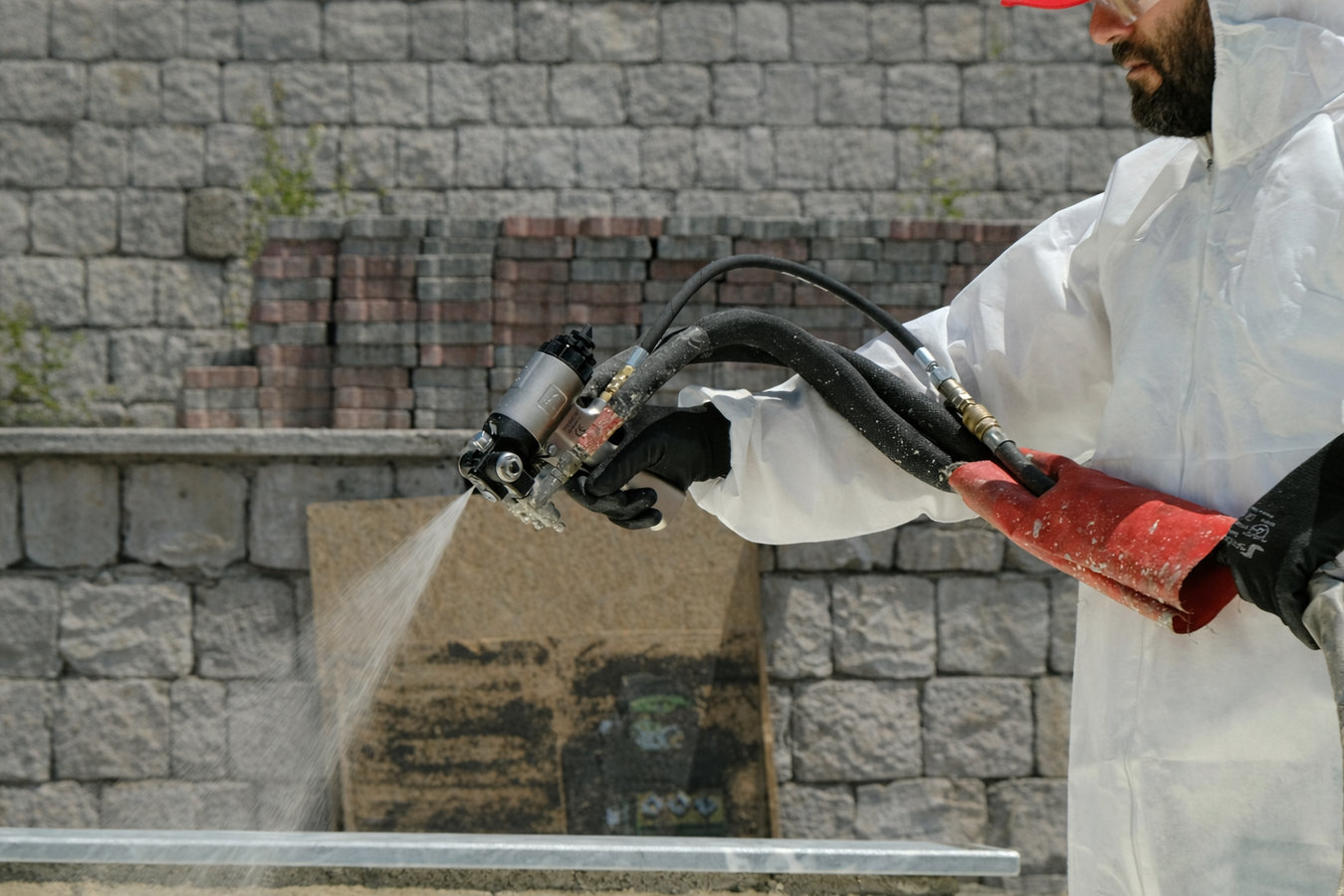
Quincy's older homes with stone or early concrete foundations develop hairline cracks that let moisture enter rim joists and basement walls, especially in lower-lying neighborhoods where the water table stays high after wet seasons. Our spray foam insulation service seals those gaps and adds R-value in a single pass, creating an air and moisture barrier that holds through Quincy's freeze-thaw winters. Closed-cell foam is particularly well suited to brick-foundation homes near the Mississippi River bluff where moisture is a recurring concern.
Quincy's Victorian-era and early-twentieth-century homes commonly have uninsulated or minimally insulated attic floors that allow heat to escape through the ceiling all winter. With average January overnight lows falling into the teens, a thin or deteriorated attic layer has a direct and measurable effect on heating costs. Adding depth to the attic floor is the fastest improvement available in most older Quincy homes, and it does not require any changes to the exterior or the living space below.
Quincy's mix of large Victorian homes with complex attic framing and smaller craftsman bungalows with tight eave access makes blown-in the most practical insulation method for attic floors and retrofit wall cavities in the majority of homes. Loose-fill material flows around obstructions and fills irregular spaces without the gaps that cut batts leave behind, which matters in homes where the framing has shifted over 100 years of seasonal movement. This service covers both attic floors and drill-and-fill wall cavity applications.
Homes built on crawl spaces in Quincy's clay-soil terrain pull ground moisture into the floor system year-round, which softens floor joists and makes first-floor rooms feel cold even when the thermostat reads 70 degrees. Installing a ground cover vapor barrier and insulating the crawl space walls eliminates both moisture and heat loss paths at once. This work is especially common in Quincy's older neighborhoods where homes were built without any crawl space treatment.
Quincy's brick and wood-frame homes from the late 1800s and early 1900s were built with empty wall cavities that have never been insulated. The drill-and-fill method reaches those cavities without disturbing the exterior brick or the interior plaster that defines the character of homes in Quincy's historic districts. We fill the cavities, patch the access holes, and finish them flush so the walls look the same after the work as before.
Older homes in Quincy lose a significant share of their conditioned air through attic penetrations, rim joist gaps, and the open wall cavities that run floor to floor in balloon-framed construction. Sealing those air pathways before adding insulation ensures the new material performs at its rated R-value rather than being bypassed by convection. We include air sealing as a standard first step on every attic and crawl space project in Quincy.
Quincy was a major Mississippi River trade city in the nineteenth century, and a substantial portion of its housing stock dates to that era. Census data confirms that many Quincy homes were built before 1940, and a meaningful share predate World War I. Homes of that age were constructed without wall insulation, vapor barriers, or the weathersealing details that modern energy codes require. The result is a housing stock that has been losing heat and drawing in moisture for generations, and that benefits substantially from targeted insulation and air sealing work.
Quincy's location on a bluff above the Mississippi River introduces moisture conditions that inland Illinois cities do not face to the same degree. Clay-heavy Adams County soil does not drain quickly, and lower-lying areas of the city sit above a water table that rises every spring with river levels and snowmelt. Stone and early concrete foundations in the city's oldest homes develop cracks that allow ground moisture to migrate into basement walls, rim joists, and crawl spaces. Without closed-cell foam or a proper vapor barrier, that moisture accumulates until it causes wood rot, mold, or structural deterioration.
Quincy winters bring January lows regularly into the teens and hard freeze events from November through March. The freeze-thaw cycle stresses the mortar joints of brick homes, expands any water that has worked into foundation cracks, and drives heat out through every uninsulated surface. For a Quincy home with a pre-1940 brick exterior and an empty attic floor, the combined effect of air leakage and minimal insulation can make the heating system run nearly continuously during a January cold snap.
Springfield Insulation Company serves Adams County as part of our western Illinois territory, and Quincy homes appear regularly in our project schedule. The crew is accustomed to the physical realities of working in Quincy's historic neighborhoods: tight lot lines between brick homes, narrow side yards that limit equipment access, and interior plaster walls that require careful drilling and patching when doing retrofit wall work. We pull permits through the City of Quincy when required and are familiar with what the building department expects on residential insulation projects.
Quincy's street grid runs from the bluff edge overlooking Quincy Bay and the Mississippi River westward into the historic neighborhoods around the downtown core, and outward to the more modest bungalow streets and postwar ranch homes on the east side of the city. The Victorian homes near Villa Kathrine on the bluff and the brick row homes closer to downtown have very different attic configurations and foundation types than the wood-frame craftsman and ranch homes further from the river. We account for those differences in every estimate rather than treating all Quincy homes the same.
We also serve homeowners in nearby Jacksonville, IL, which has its own distinct mix of Morgan County brick housing and downtown commercial-to-residential conversions. Quincy sits at the far western edge of our service territory, and we schedule our Adams County work to make full use of each trip across the state.
Reach us by phone at (217) 572-9991 or through our online contact form. We respond to every Quincy inquiry within one business day and gather the basic details about your home, the area of concern, and your goals before scheduling an on-site visit.
A crew member visits your Quincy home, inspects the attic, crawl space, basement, or wall areas relevant to the project, and documents existing conditions. We provide a written, itemized estimate before you commit to anything, and we walk through the scope and cost so there are no surprises on installation day.
Our crew arrives with the materials and equipment needed for the scope agreed upon. Most Quincy attic and crawl space projects are completed in a single day. Historic district homes requiring drill-and-fill wall work may require two visits depending on wall area and patch curing time.
We clean up the work area, remove all material packaging and debris, and walk through the completed work with the homeowner before leaving. If any follow-up questions arise after the project is done, we are reachable by phone and respond the same business day.
We serve Quincy and Adams County homeowners with free, written estimates. No pressure, no obligation - just an honest assessment of what your home needs.
(217) 572-9991Quincy is the seat of Adams County and the largest city in western Illinois, with a population of roughly 40,000 people. The city sits on a bluff above the Mississippi River directly across from Missouri, a location that shaped its growth as a river trade hub in the nineteenth century and left it with one of the most intact collections of pre-Civil War architecture in the state. The historic districts near the bluff include brick mansions, Italianate row homes, and Victorian houses that have stood for more than 130 years. The city's history and architectural significance draw visitors from across the region.
Beyond the historic core, Quincy's residential neighborhoods range from craftsman bungalows and two-story frame homes in the mid-city streets to modest ranch houses in the postwar neighborhoods on the south and east sides of the city. Most of Quincy's housing is owner-occupied, and the median home value sits well below the national average, which means homeowners here are focused on practical maintenance and long-term upkeep rather than cosmetic renovations. Single-family homes dominate the housing mix, with yards, driveways, and in many cases detached garages accessed from back alleys.
Quincy is also well connected to the rest of western Illinois via US Route 24 and US Route 36, which put neighboring communities within a reasonable drive. We serve homeowners across the region, including those in Springfield, IL, and we are familiar with the differences in building stock and climate exposure that make each western Illinois city a distinct market for insulation work.
High-performance spray foam that air-seals and insulates in one application.
Learn moreAttic insulation upgrades that reduce heat loss and lower energy bills year-round.
Learn moreLoose-fill insulation blown into attics and walls for complete, gap-free coverage.
Learn moreWhole-home insulation solutions tailored to your house's structure and energy needs.
Learn moreSafe removal of old, damaged, or contaminated insulation before new material is installed.
Learn moreCrawl space insulation that controls moisture and improves floor comfort above.
Learn moreInterior and exterior wall insulation to stop heat transfer and reduce noise.
Learn moreProfessional air sealing that eliminates drafts and improves HVAC efficiency.
Learn moreBasement wall and rim joist insulation for a warmer, drier lower level.
Learn moreDense closed-cell foam offering the highest R-value per inch with a moisture barrier.
Learn moreFlexible open-cell foam ideal for interior walls, ceilings, and sound control.
Learn moreTargeted attic air sealing that stops conditioned air from escaping into the attic.
Learn moreHeavy-duty vapor barriers that protect crawl spaces from ground moisture.
Learn moreComplete vapor barrier installation in crawl spaces and basements for moisture control.
Learn moreInsulation upgrades added to existing homes without major construction disruption.
Learn moreCommercial insulation services for offices, warehouses, and multi-unit buildings.
Learn moreServing these cities and communities.
Quincy's older homes lose heat through uninsulated attics and walls that have never been treated. Call us today or submit a request online and we will respond within one business day.