Loading...
Serving Springfield, IL and surrounding areas. (217) 572-9991
Springfield Insulation Company serves Urbana, IL with attic insulation, spray foam, wall insulation, and crawl space encapsulation for homes throughout Champaign County. We work on Urbana's early-1900s downtown-area homes, postwar ranch houses on the south and east sides, and everything in between. Every estimate request from Urbana gets a reply within one business day.
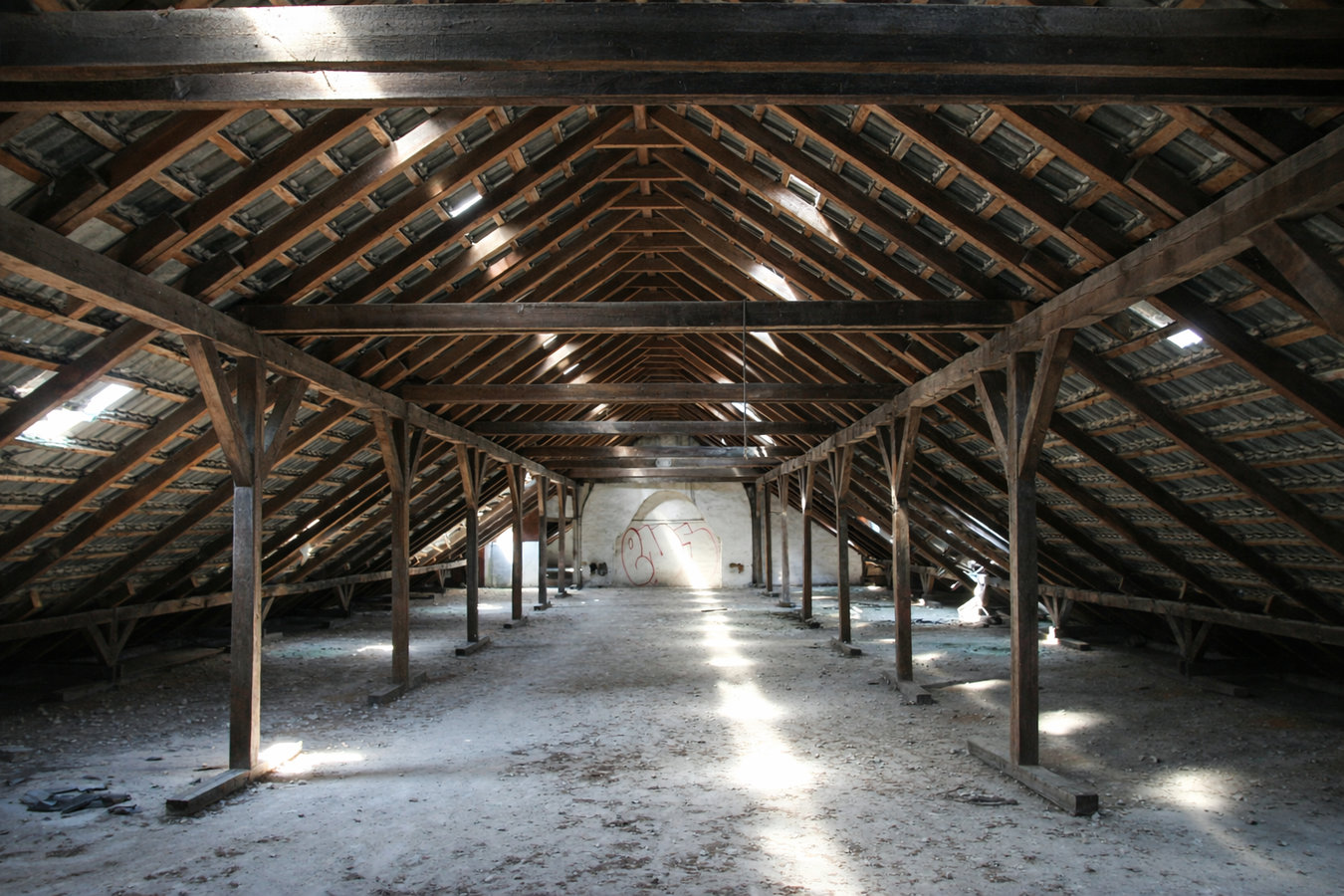
A large share of Urbana's homes were built before 1960, and many have original attic insulation that has spent decades settling and absorbing moisture. Central Illinois winters require attic insulation in the R-49 to R-60 range to hold conditioned air in the living space where it belongs. Our attic insulation service adds blown-in material on top of existing insulation when it is still sound, or starts fresh when moisture damage or pest activity has compromised what is already there.
Urbana's clay soil holds water against foundation walls for extended periods after rain, and that sustained moisture makes spray foam the correct material for basement rim joists and crawl space walls in this market. Closed-cell spray foam creates a moisture-resistant seal that standard batts cannot achieve in a damp environment. Postwar ranch homes on the south and east sides of Urbana are among the most common applications, where crawl spaces have never been encapsulated.
Urbana's brick homes near downtown and the historic blocks around Carle Park typically have uninsulated wall cavities behind the exterior masonry. Brick provides almost no R-value on its own, so the interior wall cavity is the only practical place to add thermal resistance. The retrofit drill-and-fill method injects blown-in insulation through small holes in the interior drywall without disturbing the exterior brick that defines these older neighborhoods.
Spring snowmelt and April rains regularly produce standing water in low-lying yards across Urbana, and clay soil that drains slowly keeps moisture elevated beneath homes for weeks. An open crawl space in this environment allows ground moisture to migrate directly into the floor joists and sub-flooring above. We insulate crawl space walls and install a vapor barrier on the ground to interrupt that moisture path before it causes structural damage.
Full basements are common in Urbana because the deep frost line demands foundations that go well below grade. Uninsulated poured concrete or block basement walls pull heat out of the living space above throughout the winter and create condensation on their surfaces in summer when warm air contacts them. Insulating basement walls and rim joists addresses energy loss and the moisture cycle at the same time.
Older Urbana homes that have changed hands multiple times - especially those that were rental properties near the university for years - sometimes have attic or crawl space insulation that has been wet, packed down, or disturbed by pests. Adding new material on top of a compromised layer traps the problem underneath. When the existing insulation cannot be salvaged, we remove it cleanly before installing fresh material.
Urbana's housing stock is older than most Illinois cities of comparable size. A significant share of homes were built before 1960, and many predate 1940 entirely. These houses were not built to modern energy standards, and the insulation that was original to them has had decades to settle, absorb moisture, and lose effectiveness. Homes that have cycled through tenant after tenant as university rentals often have layers of deferred maintenance that include insulation that was never updated or only partially addressed by a previous owner.
The clay-heavy soil in Champaign County drains slowly and expands when wet. That expansion puts lateral pressure on foundation walls and keeps moisture elevated against concrete and block for extended periods after rain. Urbana's flat terrain amplifies this because water has nowhere to run. Homeowners near downtown and in the older neighborhoods around the university frequently deal with damp basements and crawl spaces every spring, and insulation choices in those spaces need to reflect that moisture reality rather than ignore it.
Central Illinois winters are hard on building envelopes. Ground frost reaches 30 inches or more in cold years, and the freeze-thaw cycle runs from November into March, repeatedly working on any gaps in walls, attic floors, and foundation perimeters. Severe thunderstorms and hail in spring and summer can damage roofing that protects attic insulation from above. The combination of old housing, damp soil, and a demanding climate makes Urbana one of the higher-priority markets for insulation upgrades in central Illinois.
Springfield Insulation Company works regularly in Urbana and verifies requirements with the City of Urbana Community Development Department before scheduling each project. The brick homes in Urbana's historic blocks near downtown and around Carle Park require a different approach than the wood-frame ranch houses on the south side, and we come prepared for both rather than defaulting to a one-size approach.
We know Urbana by its neighborhoods and their distinct building eras: the early-1900s homes on the streets near downtown Urbana and the university, where brick and wood-frame construction from before World War II is common; the postwar ranch and split-level homes on the south and east sides built from the 1950s through the 1980s; and the newer subdivisions further out that are reaching the age when insulation first becomes a meaningful maintenance item. That range of housing means we are rarely walking into something unfamiliar.
Urbana and its neighbor Champaign share the same soil conditions, the same climate, and a great deal of the same housing character - we work across both cities on the same routes. To the east, Danville is another area we cover regularly, where older homes along the Vermilion River corridor face some of the same moisture and age-related insulation challenges common throughout this part of Illinois.
Call us at (217) 572-9991 or submit the contact form on this site. We respond to every Urbana request within one business day and schedule a free on-site assessment that fits your schedule.
We inspect your attic, crawl space, and any other areas of concern, measure existing R-values, and check for moisture or pest issues that should be addressed before insulating. You receive a written, itemized quote with no obligation before any work is scheduled.
On installation day, we seal attic floor penetrations and rim joist gaps before adding any new material. Air sealing done first ensures the new insulation performs at its rated R-value rather than being bypassed by air movement. You do not need to be present if access has been arranged.
After installation, we walk through the completed work with you, confirm final measurements, and provide any documentation you need for utility rebate applications or future home sale disclosures. You have a clear record of what was installed.
Call us or submit a request online. Every Urbana estimate is free, on-site, and written. We reply within one business day.
(217) 572-9991Urbana sits directly east of Champaign as part of the Champaign-Urbana metropolitan area, shaped above all by its connection to the University of Illinois Urbana-Champaign. The university occupies land that straddles both cities and is the dominant employer and economic anchor for the entire region. Like Champaign, Urbana has a high rate of renter-occupied housing driven by students and university staff who cycle through every few years. Long-term homeowners in Urbana are a distinct group who invest in their properties with an eye toward preservation and efficiency.
The neighborhoods near downtown Urbana and along Race Street contain some of the oldest residential housing in Champaign County, including brick homes from the early 1900s and wood-frame houses from the 1910s through 1940s. Carle Park, a well-known neighborhood park in central Urbana, is surrounded by many of these historic homes and serves as a geographic landmark for the older residential core. The south and east sides of the city have postwar ranch and split-level homes built from the 1950s through the 1980s, and further out, newer subdivisions from the 1990s onward. The Urbana Market at the Square runs on Saturday mornings through the warmer months and is one of the most attended community events in the city.
Urbana is surrounded by cities we serve regularly. Directly to the west, Champaign shares the same building stock, climate, and soil conditions, and our crews move between the two cities on most workdays. To the west along Interstate 74, Bloomington is another major market we serve, with a similar mix of aging homes and clay-soil moisture challenges that call for the same insulation solutions we provide throughout east-central Illinois.
High-performance spray foam that air-seals and insulates in one application.
Learn moreAttic insulation upgrades that reduce heat loss and lower energy bills year-round.
Learn moreLoose-fill insulation blown into attics and walls for complete, gap-free coverage.
Learn moreWhole-home insulation solutions tailored to your house's structure and energy needs.
Learn moreSafe removal of old, damaged, or contaminated insulation before new material is installed.
Learn moreCrawl space insulation that controls moisture and improves floor comfort above.
Learn moreInterior and exterior wall insulation to stop heat transfer and reduce noise.
Learn moreProfessional air sealing that eliminates drafts and improves HVAC efficiency.
Learn moreBasement wall and rim joist insulation for a warmer, drier lower level.
Learn moreDense closed-cell foam offering the highest R-value per inch with a moisture barrier.
Learn moreFlexible open-cell foam ideal for interior walls, ceilings, and sound control.
Learn moreTargeted attic air sealing that stops conditioned air from escaping into the attic.
Learn moreHeavy-duty vapor barriers that protect crawl spaces from ground moisture.
Learn moreComplete vapor barrier installation in crawl spaces and basements for moisture control.
Learn moreInsulation upgrades added to existing homes without major construction disruption.
Learn moreCommercial insulation services for offices, warehouses, and multi-unit buildings.
Learn moreServing these cities and communities.
Older homes and clay soil make Urbana one of the most common places we work. If your home is losing heat or dealing with crawl space moisture, we can tell you exactly what needs to be done.