Loading...
Serving Springfield, IL and surrounding areas. (217) 572-9991
Cold floors, high heating bills, and damp basement walls all point to the same problem. Proper basement insulation solves all three before another Springfield winter hits.
Basement insulation in Springfield slows the movement of heat between your living space and the cold, unheated area below - most projects are completed in one to two days and include air sealing before any new material goes in. Whether we insulate the foundation walls or the ceiling above the basement depends on how you use the space, and we walk through that decision with you before any work is scheduled.
Homes in Springfield lose a significant amount of heat through uninsulated basement walls and rim joists every heating season. That loss shows up as cold kitchen floors in January, heating bills that climb month after month, and rooms that never quite reach the temperature you set. If your home was built before modern insulation standards and no one has touched the basement since, there is a real chance you are paying to heat space that is working against you every winter.
If moisture is entering your basement before insulation work can begin, we also offer crawl space insulation for homes with crawl space foundations, and our team can coordinate the right sequence of work so insulation goes in over a dry, properly prepared surface.
If your Ameren Illinois gas bill climbs sharply from November through March and your thermostat settings have not changed, your basement is likely one of the biggest culprits. Heat rises but also escapes through uninsulated foundation walls and floors, and in Springfield's winters that loss adds up fast. If your bills feel out of proportion to the size of your home, basement insulation is one of the first places to look.
If your kitchen, living room, or hallway floors feel cold underfoot even when the heat is running, cold air is moving up from an uninsulated basement below. This is especially common in Springfield's older neighborhoods where the original construction included little or no insulation under the first floor. Rugs and higher thermostat settings are workarounds, not solutions.
Walk your basement perimeter and look where the walls meet the floor and where they meet the framing above. If you can see light coming through, feel air movement, or notice cracks that have widened over time, those are entry points for cold air and moisture. Springfield's clay soil shifts seasonally, which can widen these gaps in homes that have been standing for decades.
A damp or musty smell in your basement is a warning sign that moisture is getting in. If there is existing insulation, it may already be wet and no longer effective. Wet insulation does not just stop working; it can become a source of mold that affects air quality throughout your home. This is worth addressing before winter, not after a full season of damp walls.
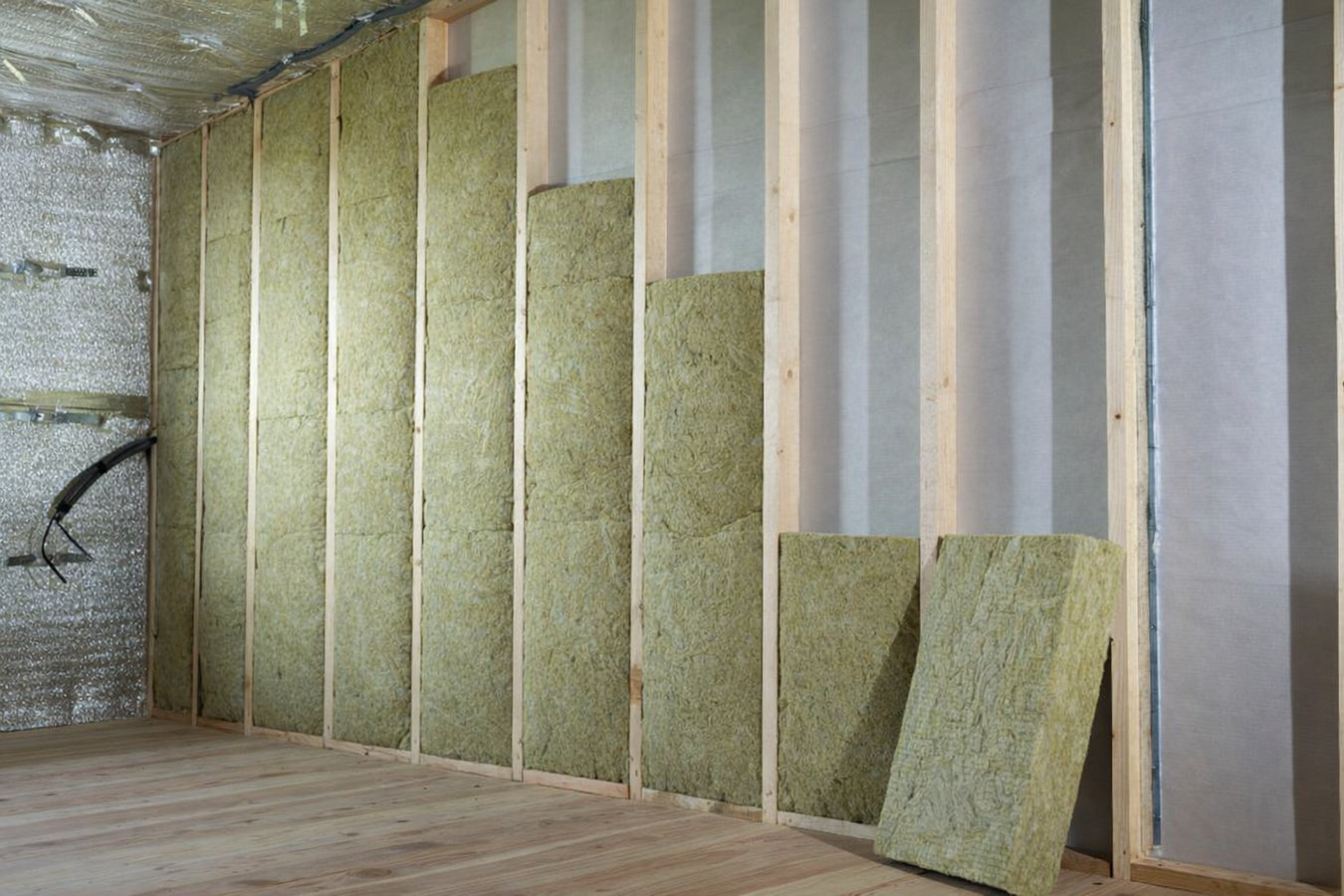
The right basement insulation approach depends on whether your basement is finished or unfinished, whether you heat it, and what condition the foundation walls are in. For unfinished basements used primarily for storage, insulating the ceiling above keeps warmth in your living space and is usually the most cost-effective path. For basements you heat or plan to finish, insulating the foundation walls brings the whole space inside your home's thermal envelope and stops cold from radiating inward through the concrete. Before any material goes in, we check for moisture and seal gaps along the rim joist, which is the band of wood where your floor system meets the foundation and one of the most common points of heat loss in Springfield homes.
We use spray foam, rigid foam board, and batt insulation depending on what works best in your specific basement layout. Spray foam is particularly effective for irregular surfaces and rim joist sealing because it fills every gap and creates an air barrier at the same time. Our closed-cell foam insulation page covers spray foam options in detail for homeowners considering that approach for walls or rim joists.
For homes where the basement connects to a crawl space, we coordinate both areas so you end up with continuous coverage rather than gaps at the transition point. Our crawl space insulation service handles that portion of the work using the same moisture-first approach.
Best for heated or finished basements - brings the full space inside your thermal envelope.
Best for unheated storage basements - keeps warmth in the living floors above at lower cost.
Spray foam or rigid board applied where floor meets foundation - one of the highest-impact fixes for cold floors and drafts.
For older Springfield homes where gaps and cracks need to be addressed before any new material goes in.
Springfield winters are long and cold, with temperatures that regularly drop into the single digits and a heating season that runs from October through April. That means your basement walls and floor are exposed to extreme cold for nearly half the year. Homes without adequate basement insulation are working against themselves every single heating season, and the Ameren Illinois bills reflect it. The U.S. Department of Energy identifies basements as one of the primary areas where central Illinois homes lose heat.
A large share of Springfield's residential neighborhoods, including areas like Iles Park, Aristocracy Hill, and the older streets near downtown, were built before modern insulation standards existed. Many of these homes have uninsulated or poorly insulated basements with decades of settling, cracked mortar, and irregular framing. The clay soil throughout Sangamon County holds water and expands when wet, which creates pressure on basement walls and increases the likelihood of moisture seeping through the foundation. We assess moisture before recommending any approach because insulating over a damp wall traps that moisture and leads to mold.
We serve homeowners throughout Springfield and surrounding communities including Decatur and Lincoln. Whether your home is a 1920s brick bungalow near the capitol or a ranch house on the south side, we have worked on Springfield basements of every age and configuration.
We will respond within one business day to ask basic questions about your basement and schedule an in-person estimate. No quote is given without seeing the space first.
We walk through your basement, check for moisture, measure the space, and identify any air sealing or prep work needed. You leave with a written estimate covering the full scope before any commitment is made.
If a permit is required by the City of Springfield, we handle the application. Once approved, we schedule your installation date and tell you exactly how to prepare your basement before the crew arrives.
The crew seals gaps first, then installs insulation systematically through the space. Most jobs are done in one to two days. Before we leave, we walk through the finished work with you and provide any documentation needed for Ameren Illinois rebates or federal tax credits.
Free on-site estimate. No commitment required. We respond within one business day.
(217) 572-9991We check your basement for moisture before recommending any insulation approach. Insulating over a wet wall creates mold problems that cost far more to fix than the original insulation job. This step protects your investment and your home.
We know when the City of Springfield Building and Zoning Division requires a permit for basement work and we handle the application when it is needed. You will not face a failed inspection or a required rework because we skipped paperwork.
Springfield homeowners served by Ameren Illinois can qualify for rebates on qualifying insulation upgrades. We know the documentation requirements and can help you capture that savings before the work begins, not after it is too late to qualify.
Our crews work in Springfield neighborhoods every week. We know the housing stock, understand what older foundations look like inside, and bring the local experience required to do this work properly. Every basement job comes with a written estimate and a documented record of what we did.
Every basement is different, and every estimate reflects what your home actually needs rather than a standard package. We write it all down before any work starts so you know exactly what is included and what it costs.
High-density spray foam that seals basement walls, rim joists, and crawl space framing in a single application.
Learn moreInsulation and air sealing for homes with crawl space foundations, covering the walls and floor framing above.
Learn moreSchedule a free on-site estimate today. Springfield's heating season is long, and the longer you wait, the more you pay.