Loading...
Serving Springfield, IL and surrounding areas. (217) 572-9991
Springfield Insulation Company provides insulation contractor services throughout Danville, IL, including home insulation, attic blown-in, spray foam, crawl space encapsulation, and retrofit work for Vermilion County homes. We serve the older brick neighborhoods near downtown Danville, the postwar ranch homes on the outer streets, and properties throughout the surrounding area, and we reply to every estimate request within one business day.
Danville's housing stock is predominantly pre-1960, and a significant share of homes have never had a systematic insulation upgrade. Our home insulation service addresses the full building envelope, attic floor through crawl space walls, in a single coordinated project. For Danville's older homes, that whole-home approach matters because heat loss and moisture entry happen through multiple zones at once, and treating only one zone leaves the others unaddressed.
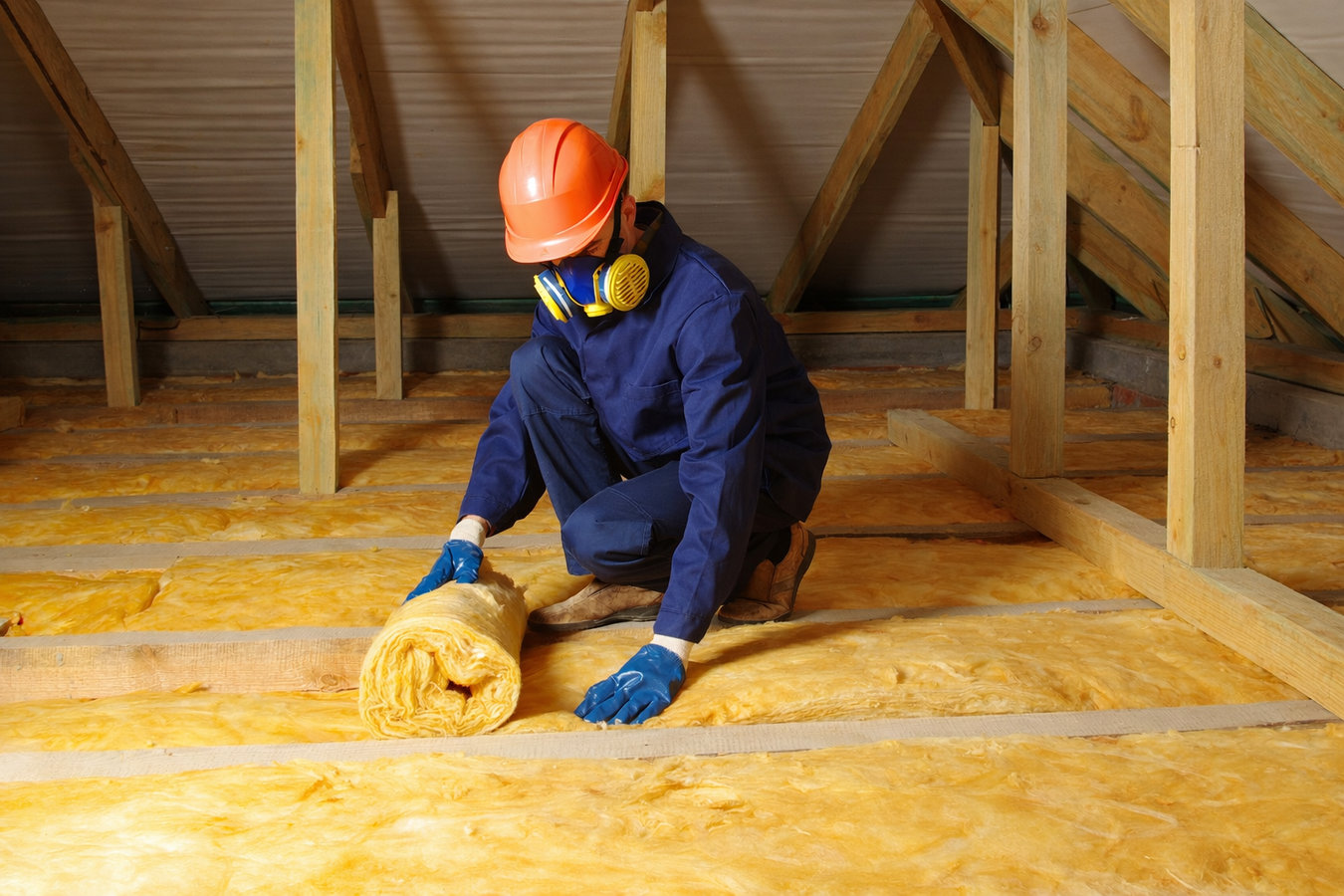
Danville's two-story homes near downtown and the postwar ranch homes filling the outer streets share one common problem: attic insulation that has compressed or degraded to a fraction of its original R-value. Adding blown-in insulation to the attic floor is the highest-return improvement for most Danville homeowners because the ceiling is where the largest share of heat escapes during east-central Illinois winters, when January temperatures regularly drop below 20 degrees.
Clay soil in Vermilion County holds moisture against foundation walls and under crawl space floors far longer than sandier soils after any rain event. Homes in low-lying areas of Danville near the North Fork of the Vermilion River experience seasonal high water tables that accelerate ground moisture migration into the floor system above. Insulating crawl space walls with spray foam and installing a ground vapor barrier together cut off both the cold air and moisture paths in one step.
For Danville homes near the river or in flood-exposed areas, closed-cell spray foam is the right insulation material for crawl space walls and rim joists because it does not absorb water, bonds directly to concrete and masonry, and creates a combined air and moisture barrier in a single application. Danville's older brick homes near the downtown historic district are a common application for closed-cell work on basement walls that have seen decades of moisture exposure.
The older brick and wood-frame homes in Danville's established neighborhoods near North Vermilion Street and the downtown core were built with no wall insulation in the cavities. The drill-and-fill method injects blown-in material through holes drilled through the interior wall surface, then patches and finishes flush with the existing surface. This approach works on both full-brick and wood-frame homes and adds meaningful R-value to walls that have been empty since the house was originally built.
Danville's older homes, particularly those with balloon framing from the late 1800s and early 1900s, have open wall cavities that allow air to travel from the basement sill plate to the attic without obstruction. Air sealing top plates, rim joists, and attic floor penetrations is a required first step before adding insulation in these homes - otherwise new insulation performs well below its rated value because air movement bypasses the thermal barrier entirely.
Danville's housing stock skews old. Census data shows that the median year of construction for Danville homes is well before 1960, and a meaningful share of homes near the downtown area date to the late 1800s and early 1900s. Those homes were built long before insulation codes existed, and many have had the same original materials in the attic and walls since they were constructed. Over time, that original insulation, usually a thin layer of loose fill or glass fiber batts added in the 1970s during the energy crisis, compresses and loses R-value. What reads as three inches in the attic may be providing R-6 or less.
Danville's position in the far eastern edge of Illinois, near the Indiana border and along the North Fork of the Vermilion River, creates a particular moisture challenge. The river and low-lying terrain mean a portion of the city sits in or near flood-prone areas where seasonal high water tables are a regular occurrence. Homes in those neighborhoods deal with moisture intrusion from below through crawl space floors and foundation walls, not just from storm events. Clay-heavy Vermilion County soil holds water against those surfaces long after the water table drops. Vapor barriers and spray foam encapsulation address that source directly.
East-central Illinois winters are similar in severity to the rest of the state: hard freezes by late November, average lows well below 20 degrees in January and February, and ground frost that reaches significant depth. The freeze-thaw cycle running from November through March puts stress on concrete, masonry, and any moisture that has worked into wall or foundation cavities. Homes that have been through 60 to 100-plus years of those cycles without thermal upgrades accumulate damage gradually, and the best time to address insulation deficiencies is before the next winter rather than after.
Springfield Insulation Company serves Danville homeowners as part of our east-central Illinois coverage area, and we are familiar with permit requirements through the City of Danville. The housing types we encounter most often here are the larger two-story brick homes near the downtown historic district, the postwar ranch and Cape Cod homes on the outer residential streets, and a mix of rental and owner-occupied properties throughout the rest of the city. Each type presents different conditions: the older brick homes often have dense wall construction and limited attic access, while the postwar ranch homes are straightforward to insulate but consistently short on attic depth.
Danville's downtown core includes a recognized historic district, and the residential streets radiating from that center are where the city's oldest housing is concentrated. Ellsworth Park on the north side and the neighborhoods along North Vermilion Street mark the edges of the older core. We work on homes throughout these areas and know the access and construction conditions that come with properties from this era.
Danville is on the eastern edge of our coverage area, and we also serve homeowners in Urbana, IL to the west along the US-150 corridor. If you are scheduling work in the Danville area, our team regularly covers this part of east-central Illinois and can typically schedule without significant delay.
Call (217) 572-9991 or submit the contact form. We respond to every Danville area inquiry within one business day.
We visit your Danville property, inspect the attic, crawl space, and any areas of concern, and provide a written itemized estimate. You know the exact cost and scope before any work is confirmed.
Installation is scheduled at a time that works for you. Most Danville attic and crawl space projects complete in a single day, and you do not need to be present once access has been arranged.
All work areas are cleaned before we leave, and we walk through the completed project with you so you can confirm the work was done as specified. Questions about ongoing maintenance are answered before we leave the property.
We serve Vermilion County homeowners and reply to every Danville area estimate request within one business day. No cost, no obligation.
(217) 572-9991Danville is a city of about 30,000 people in Vermilion County on the far eastern edge of Illinois, a few miles from the Indiana state line. It serves as the Vermilion County seat and has long been a center of healthcare, manufacturing, and government employment for the surrounding region. Major employers include Carle Health and the VA hospital, both of which draw workers from the broader Vermilion County area and anchor the city's stable employment base. Residents here tend to stay put, which means homeowners are generally invested in maintaining their properties over the long term.
The city is organized around its downtown historic district, which includes buildings dating to the late 1800s and the civic institutions that have served the county for generations. The residential neighborhoods closest to downtown contain the city's largest and oldest homes, many of them two-story brick structures with full basements and original woodwork. Moving outward from the downtown core, the housing transitions to the postwar ranch and Cape Cod homes built through the 1950s and 1960s in the outer residential neighborhoods, many of which still have their original insulation and mechanical systems. Ellsworth Park on the north side marks the edge of one of these postwar neighborhoods and is a reference point that most longtime Danville residents recognize immediately.
Danville sits along the North Fork of the Vermilion River, and the low-lying areas near that waterway have historically experienced spring flooding when snowmelt and heavy rain combine. Those conditions, combined with the clay-heavy Vermilion County soil that holds water against foundations long after surface drainage dries out, make moisture management an ongoing concern for a meaningful share of Danville homeowners. We also serve homeowners in nearby Champaign, IL to the west, where similar clay-soil and older housing conditions apply to a different but equally established market.
High-performance spray foam that air-seals and insulates in one application.
Learn moreAttic insulation upgrades that reduce heat loss and lower energy bills year-round.
Learn moreLoose-fill insulation blown into attics and walls for complete, gap-free coverage.
Learn moreWhole-home insulation solutions tailored to your house's structure and energy needs.
Learn moreSafe removal of old, damaged, or contaminated insulation before new material is installed.
Learn moreCrawl space insulation that controls moisture and improves floor comfort above.
Learn moreInterior and exterior wall insulation to stop heat transfer and reduce noise.
Learn moreProfessional air sealing that eliminates drafts and improves HVAC efficiency.
Learn moreBasement wall and rim joist insulation for a warmer, drier lower level.
Learn moreDense closed-cell foam offering the highest R-value per inch with a moisture barrier.
Learn moreFlexible open-cell foam ideal for interior walls, ceilings, and sound control.
Learn moreTargeted attic air sealing that stops conditioned air from escaping into the attic.
Learn moreHeavy-duty vapor barriers that protect crawl spaces from ground moisture.
Learn moreComplete vapor barrier installation in crawl spaces and basements for moisture control.
Learn moreInsulation upgrades added to existing homes without major construction disruption.
Learn moreCommercial insulation services for offices, warehouses, and multi-unit buildings.
Learn moreServing these cities and communities.
From older brick homes near downtown to postwar ranch houses on Danville's outer streets, we know this housing stock. Call us or request an estimate today.