Loading...
Serving Springfield, IL and surrounding areas. (217) 572-9991
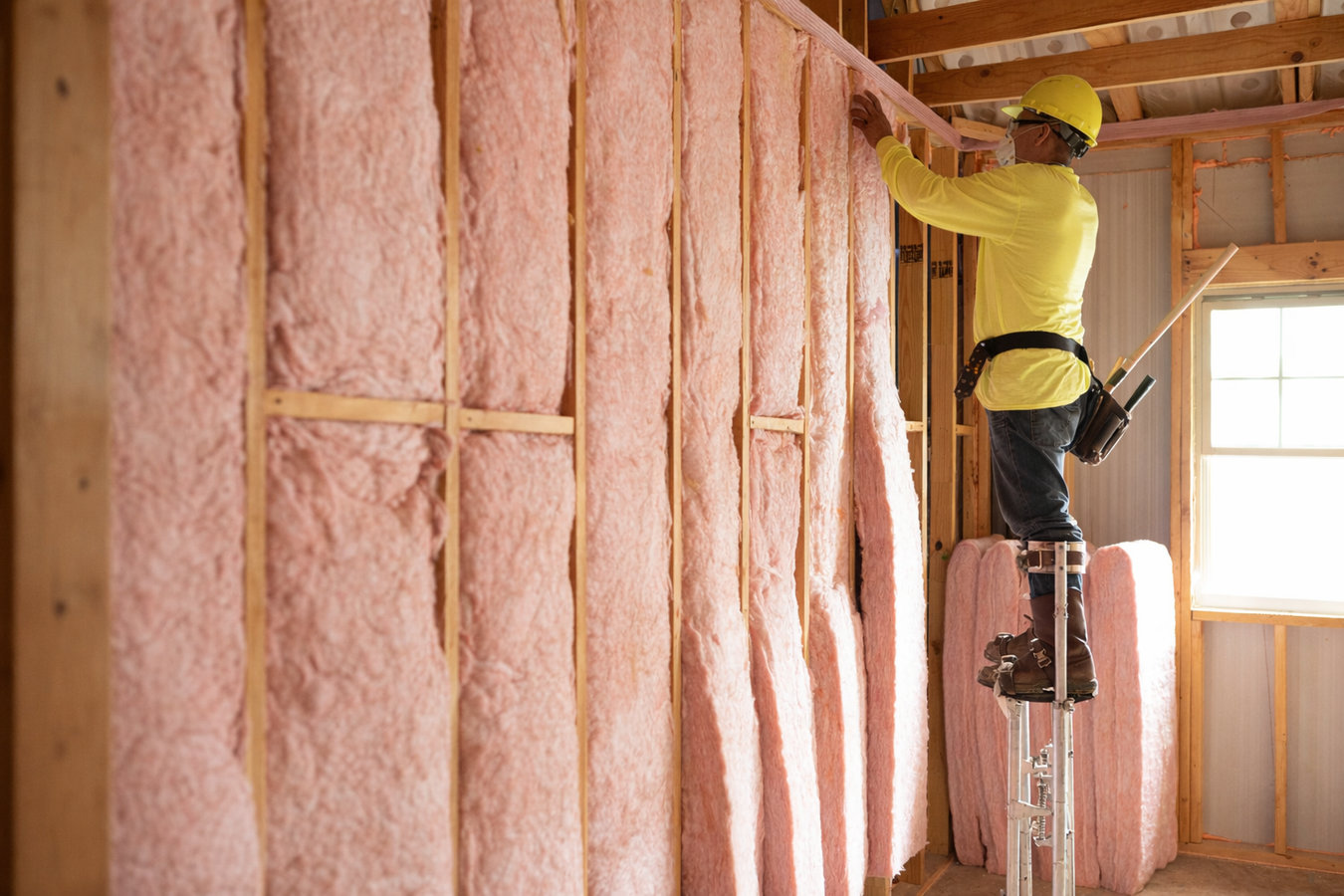
Your Springfield home is losing heat through walls and attics that were never properly insulated. Retrofit work fills those gaps through small access points with no major demolition required.
Retrofit insulation in Springfield means adding blown-in or injected insulating material to a home that is already built, without tearing open walls or doing a major renovation - most attic jobs are completed in a single day, and wall projects typically take two to three days. Contractors drill small access holes, fill the cavities through a hose, then patch and leave the finish ready for paint.
A large share of Springfield's housing stock was built between the 1920s and the 1970s, well before modern insulation standards. Many homes in neighborhoods like Enos Park, Laurel Hill, and older south-side subdivisions have walls with no insulation at all and attic insulation that has compressed down to a fraction of its original depth. Retrofit insulation is the most practical way to fix that without a full renovation.
When air leakage is also a factor, pairing retrofit insulation with home insulation services that include air sealing gives you better results than adding material alone, since insulation works best when the gaps that let air bypass it have been closed first.
If your gas bill climbs sharply when temperatures drop below freezing, your home is losing heat faster than your furnace can replace it. Springfield winters regularly push below 10 degrees Fahrenheit, and a poorly insulated home will struggle to hold temperature no matter how high you set the thermostat. That is a utility cost you are paying every month, not just a comfort inconvenience.
If one bedroom is freezing all winter or one part of the house turns into an oven every July, the insulation in that area is thin or missing. This is especially common in older Springfield homes where insulation was added unevenly over the years, or where additions were built to lower standards than the main structure. It is one of the clearest signals that a retrofit job would make a real difference.
Hold your hand near an electrical outlet on an exterior wall on a cold day. If you feel cool air coming through, that wall cavity has air gaps that insulation and sealing could fix. This is a simple test any homeowner can run, and it is one of the most reliable indicators that wall insulation is absent or inadequate.
Thick ridges of ice building up along the edge of your roof during a cold stretch mean heat is escaping through your attic and melting snow unevenly. Springfield gets enough freeze-thaw cycles in winter to make ice dams a recurring problem, and they can cause water to back up under shingles and enter the home. Better attic insulation is one of the most direct fixes.
We start with an assessment, not a sales call. That means a technician comes to your home, inspects the attic, walls, and any crawl spaces, checks how much insulation is already in place, and looks for air leakage points that should be addressed before material goes in. If old wiring or moisture is present, we tell you upfront rather than discovering it on installation day.
For attics, we use blown-in fiberglass or cellulose to bring coverage up to a consistent depth across the entire floor. Both materials are designed to settle into irregular spaces and fill gaps that batts cannot reach. The U.S. Department of Energy provides recommended R-value targets by climate zone; Springfield sits in a zone where attic insulation should reach R-49 to R-60 in most homes.
For exterior walls, we use a dense-pack injection method: small holes drilled at regular intervals, material injected under pressure to fill the cavity completely, then holes patched and finished. This approach fills the cavity far more completely than standard loose-fill, which matters because a partially filled wall cavity does not perform significantly better than an empty one. We also offer commercial insulation retrofit services for businesses and multi-unit buildings facing the same energy performance challenges as older residential properties. The North American Insulation Manufacturers Association maintains installation standards for both blown-in and dense-pack applications.
Brings attic insulation up to recommended depth using blown-in fiberglass or cellulose; suits most Springfield homes built before 1980.
Fills exterior wall cavities through small drilled access holes; suited to homes with no wall insulation that cannot justify a full renovation.
Adds insulation between floor joists above crawl spaces; often combined with vapor barrier work for homes with moisture issues.
Addresses both air gaps and thin insulation in a single project; most effective for homes with high utility bills and significant drafts.
Springfield sits in a climate zone where winter temperatures regularly drop below 10 degrees Fahrenheit and summer heat can push past 95 degrees with high humidity. That is a nearly 100-degree seasonal swing, and under-insulated walls and attics feel every degree of it. Retrofit insulation here is not a luxury upgrade; it is one of the most direct things you can do to make the house livable in both seasons without replacing your heating and cooling equipment.
Springfield's housing stock skews older than the national average. A significant portion of the city's single-family homes were built between the 1920s and the 1970s, well before insulation requirements existed in Illinois building codes. Many of these homes have never had insulation added since original construction. The flat, open terrain around Sangamon County means wind and temperature changes hit homes without the buffer of hills or tree cover, amplifying the effect of missing insulation.
Ameren Illinois serves Springfield and offers rebate programs for homeowners who add insulation through participating contractors. Asking whether a contractor is enrolled in that program before signing anything is worth two minutes of your time, since it can reduce your out-of-pocket cost by several hundred dollars. We serve customers across the region, including in Decatur, Lincoln, and throughout Springfield, where pre-1980 homes are the most common project we see.
We respond within 1 business day. Tell us the age of your home, what areas concern you, and any symptoms you have noticed, high bills, cold rooms, drafts. No fee to talk through the situation before we visit.
A technician inspects the attic, walls, and any crawl spaces, measuring existing insulation depth and checking for air leakage, old wiring, and moisture. This visit takes one to two hours. We explain what we find in plain language before recommending anything.
You receive a written quote listing the specific materials, installation method, areas covered, and total cost. We also confirm at this stage whether we are enrolled in the current Ameren Illinois rebate program so you know what your net cost will be.
Attic jobs are typically done in one day; wall jobs take two to three. The crew protects floors and furniture near work areas and cleans up before leaving. Before we go, we walk you through the completed work and provide any documentation needed for a utility rebate application.
Free in-home assessment. Written estimate before any work begins. No pressure to decide on the spot.
(217) 572-9991We work on Springfield's older housing stock every week. That means we know where the gaps are in homes built in the 1940s, 1950s, and 1960s, and we come prepared for the details that surprise contractors who rarely work on older construction. You are not our test case for an old house.
We check for knob-and-tube and other wiring concerns during the assessment, not after the crew has already arrived. If it is present, we tell you what you need to do and how it affects the project scope before you have signed anything. Unpleasant mid-project surprises are a failure of the assessment process.
Our crews have worked on Springfield homes since 2022 and know the older housing stock here. Every retrofit comes with a free written estimate and a documented record of the work, which a handyman working off a verbal quote cannot offer.
If you qualify for an Ameren Illinois energy efficiency rebate, we prepare the documentation you need to file your claim as part of the job, not as an add-on. Leaving that money on the table because of missing paperwork is a frustrating outcome that we take responsibility for preventing.
Springfield's older neighborhoods have been our focus since day one. We understand the construction patterns, the wiring history, and the insulation gaps that come with the city's specific housing stock, and we approach each project with that local context built in.
Retrofit insulation services for offices, retail spaces, and multi-unit buildings in Springfield and across central Illinois.
Learn moreWhole-home insulation assessment and upgrades that address attics, walls, floors, and crawl spaces together for maximum comfort improvement.
Learn moreEvery cold snap your home faces without adequate insulation is money leaving through the walls and ceiling. Call or submit a request and we will respond within one business day.