
Loading...
Serving Springfield, IL and surrounding areas. (217) 572-9991
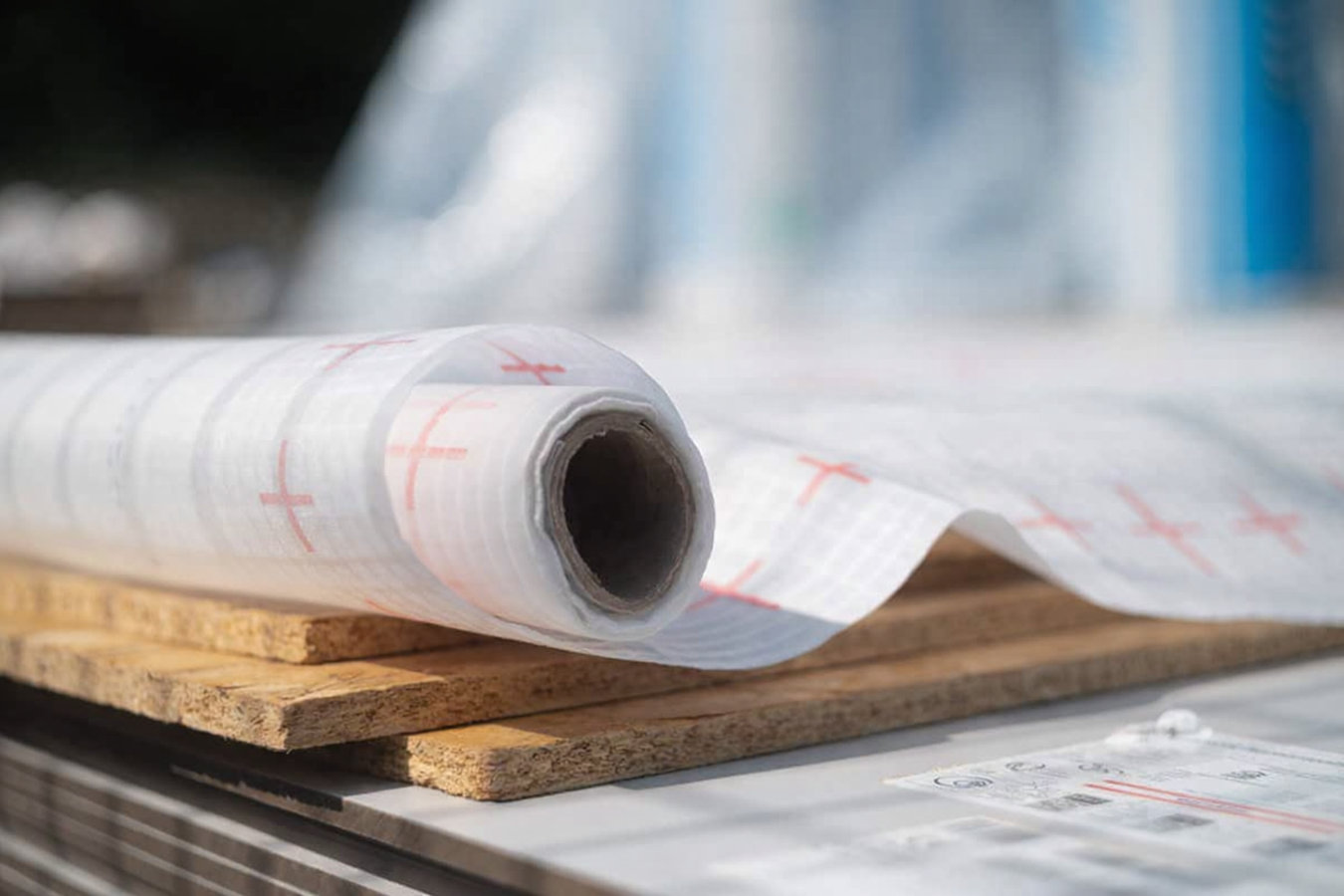
Damp crawl spaces, musty odors, and soft floors are not maintenance issues you just live with. A properly installed vapor barrier cuts off the moisture at ground level before it reaches your floors and framing.
Vapor barrier installation in Springfield lays heavy-duty plastic sheeting across the crawl space floor and up the foundation walls to block ground moisture from entering your home's structure - most single-family jobs are completed in one day. Springfield's dense clay soil holds water near the surface for extended periods after rain and snowmelt, and a bare dirt crawl space floor provides no resistance to that upward vapor pressure.
Homes built before the 1970s in Springfield neighborhoods including Enos Park, Laurel Hill, and the older south-side subdivisions were typically constructed without any moisture protection in the crawl space at all. That means decades of ground moisture may have been slowly working on the wood framing below your floors without anyone addressing it. The fix is a retrofit installation. It does not require demolition, it does not require you to leave your home, and it works immediately once it is installed.
When moisture issues and heat loss are both present, vapor barrier installation pairs naturally with crawl space vapor barrier work and full crawl space insulation in a single project so you are not paying for two separate visits to address the same root cause.
A persistent earthy odor, particularly one that intensifies after spring rains or during Illinois's humid summers, almost always points to moisture rising from an unprotected crawl space. In Springfield, where clay soils stay wet for long stretches after rain, that source of moisture is consistent and ongoing until it is blocked at ground level.
Wood floor joists and subfloor panels absorb moisture over time and begin to soften and warp. If a section of your floor feels bouncy or slightly uneven underfoot, moisture from below has likely been working on the wood for an extended period. This is especially common in older Springfield homes where crawl spaces have never had any moisture protection.
Water droplets on pipes or joists, puddles on the dirt floor, or soil that looks dark and saturated when you check the crawl space hatch are clear indicators. Springfield's flat terrain and periodic heavy rainfall mean standing water in crawl spaces is not unusual in spring, particularly in low-lying neighborhoods or areas near the Sangamon River watershed.
Mold and mildew thrive in damp crawl spaces, and the air in those spaces moves up through gaps in the floor into your living areas. If household members have noticed increased congestion, sneezing, or respiratory irritation, especially during Springfield's humid spring and fall seasons, a moisture problem below the floor may be a contributing factor.
We assess the crawl space before any material goes in. That means checking for standing water, mold, damaged insulation, and overall access. If there is debris or old material that needs to come out, we handle that first. Covering a moisture problem with new plastic is not a fix, it is a delay.
Our standard installation uses 10-mil to 20-mil polyethylene sheeting laid across the entire crawl space floor. Every seam is overlapped by at least 12 inches and sealed with rated seam tape. The material runs up the foundation walls and is fastened in place, not folded at the base. This is the installation detail that separates a 20-year barrier from one that fails in five. The Building Science Corporation provides detailed guidance on why sealed crawl spaces consistently outperform vented ones in climates like central Illinois.
For homes where a vapor barrier alone is not enough, we offer full crawl space encapsulation that seals walls and vents in addition to the floor. We can also combine retrofit insulation above the crawl space with vapor barrier work in the same visit, addressing both moisture and heat loss at once. The ENERGY STAR program recommends addressing both air sealing and moisture control together for the best long-term performance.
10-mil to 20-mil sheeting with taped seams and wall coverage; the right starting point for most Springfield crawl spaces.
Seals the entire crawl space including walls and vents; suited to homes with persistent or severe moisture intrusion.
Clearing old insulation, standing water, or mold before installation; needed when the existing space has been neglected.
Addresses moisture and thermal performance in a single project visit for homes dealing with both problems.
Springfield's freeze-thaw cycle is one of the primary drivers of crawl space moisture problems here. Temperatures in central Illinois swing from well below freezing to above 40 degrees Fahrenheit within the same week during winter and early spring. That repeated cycle pushes moisture through foundation walls and up through bare soil with consistent force. Homeowners often notice the effects in late winter or early spring, musty smells, stiff or bouncy floors, higher heating bills, which is also when demand for vapor barrier work picks up locally.
Springfield's flat terrain creates an additional challenge. The city's topography means water from heavy rain events does not always drain away from homes quickly. Areas near the Sangamon River watershed and low-lying neighborhoods can experience elevated groundwater after significant storms, making proper crawl space moisture management especially important for those homes. A large share of the city's housing stock, including areas like Enos Park, Laurel Hill, and older south-side subdivisions, was built between the 1940s and 1970s with bare dirt crawl space floors and no moisture protection at all.
We serve homeowners across the region, including in Decatur, Lincoln, and throughout Springfield. The soil and drainage conditions across central Illinois mean we see the same moisture patterns in crawl spaces throughout this area, and our approach is calibrated to those specific conditions.
We respond within 1 business day. A quick description of the symptoms, musty smell, damp floors, any visible moisture, helps us understand the scope before we come out. No fee for the initial conversation.
We visit and inspect the crawl space in person, checking its size, condition, and access point. We note standing water, mold, existing insulation, and anything that needs to be addressed before installation. This takes 30 to 60 minutes.
You receive a written quote specifying the sheeting thickness, seam sealing method, wall coverage details, and any prep work included in the price. No surprises discovered after the job starts.
The crew works entirely in the crawl space. They clear debris if needed, lay sheeting across the full floor, tape every seam, and run material up the walls. Most Springfield jobs are done in a single day. We walk you through photos of the finished work before we leave.
Free estimate, no sales pitch. We will assess your space, explain what we find in plain language, and give you a written quote before you decide anything.
(217) 572-9991We tell you exactly what thickness of sheeting we are installing and how every seam will be handled before work begins. A contractor who cannot answer those two questions specifically is worth a follow-up call to a competitor.
If we find mold, standing water, or damaged insulation during the assessment, we tell you before we quote, not on installation day. Everything needed to prepare the space correctly is included in the written estimate you approve before the crew shows up.
Our crews have installed vapor barriers across Springfield since 2022 and know the clay soil and older crawl spaces here. Every job comes with a free written estimate and a documented record of the work from the first walkthrough to the final inspection.
Once the barrier is installed, we show you photos of the finished crawl space, sealed seams, covered walls, and clean floor, so you know the job was done right without needing to crawl in yourself. A confident installer welcomes that review.
Central Illinois clay soils and Springfield's seasonal moisture swings make vapor barrier quality more consequential here than in many other markets. We build for the conditions your crawl space actually faces, not a generic standard.
Add insulation to existing walls, floors, and attics without a full renovation, often combined with moisture control work for older Springfield homes.
Learn moreTargeted vapor barrier work for crawl space floors and walls, addressing the specific moisture conditions found in Springfield's clay-soil terrain.
Learn moreEvery week without a barrier is another week of ground moisture working on your floors and framing. Call or submit a request today and we will respond within one business day.